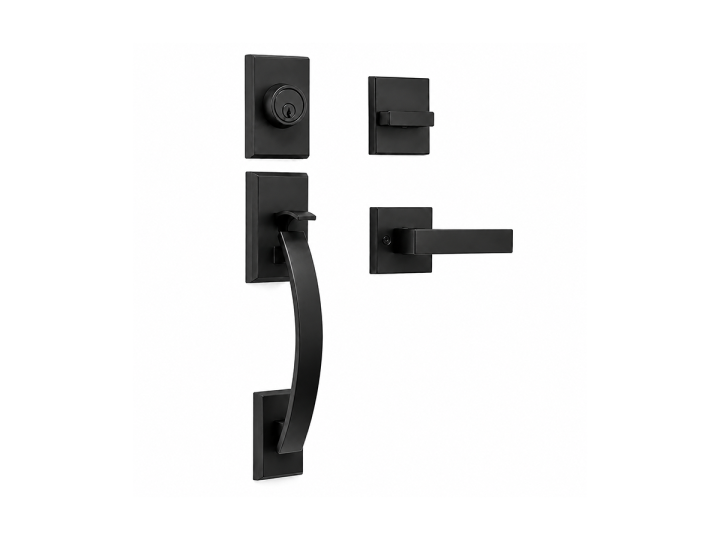
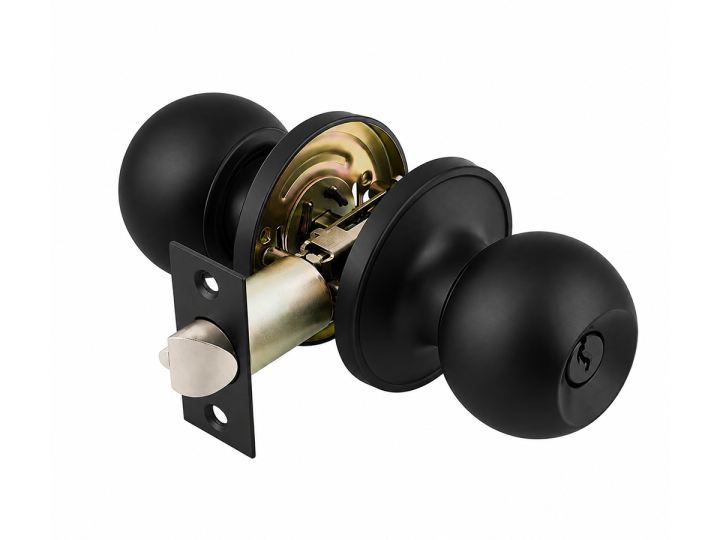
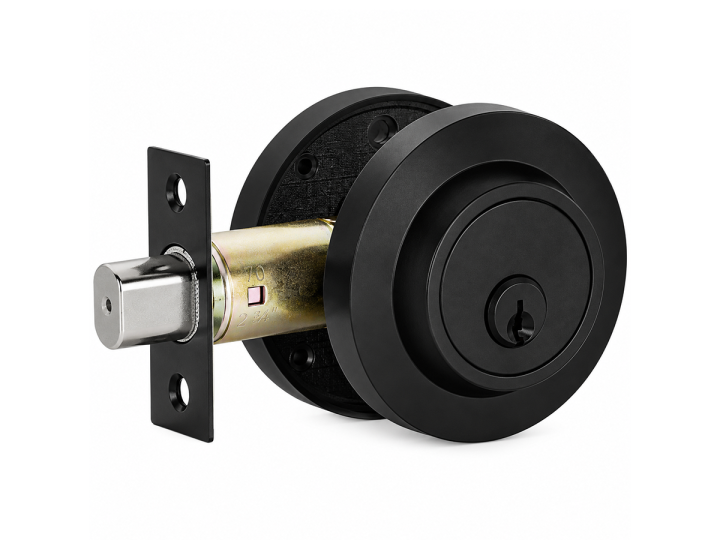
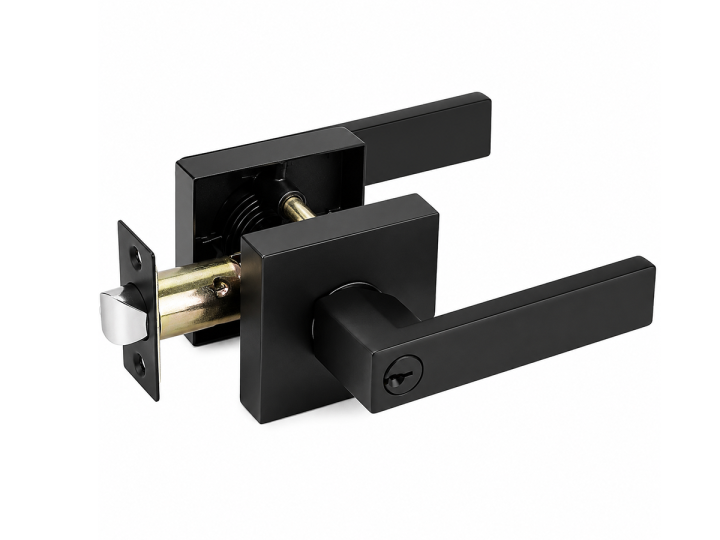
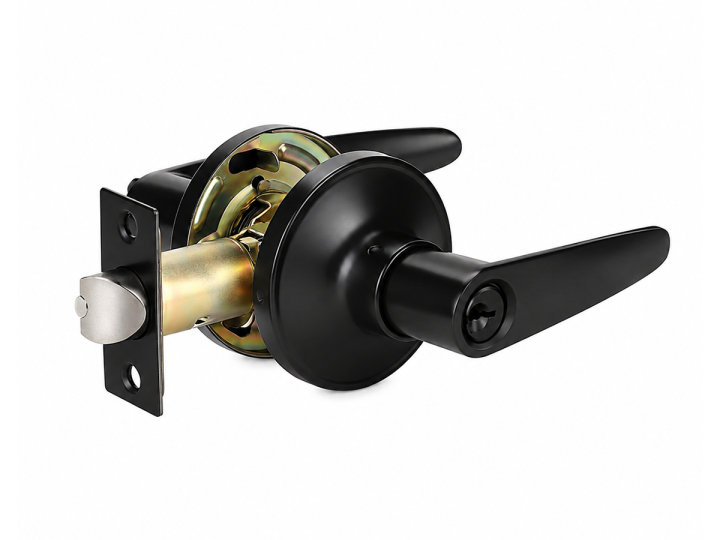
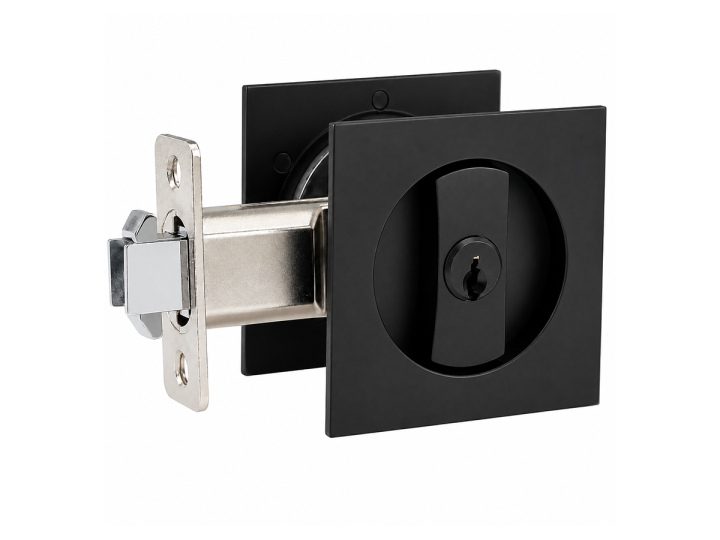
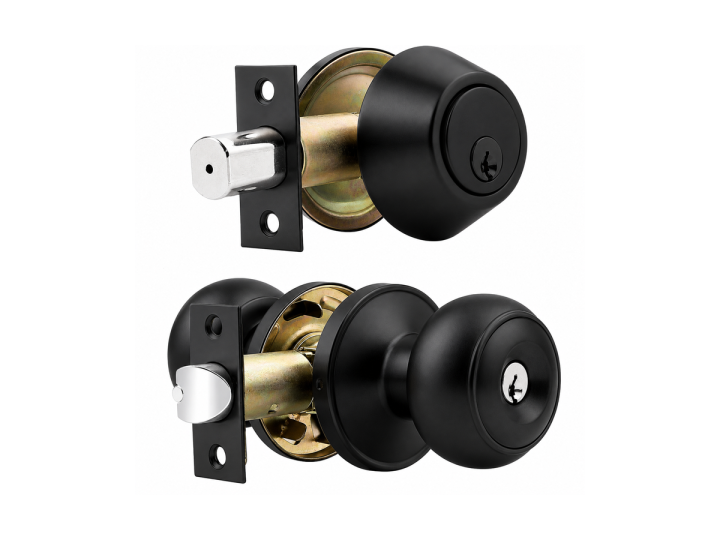
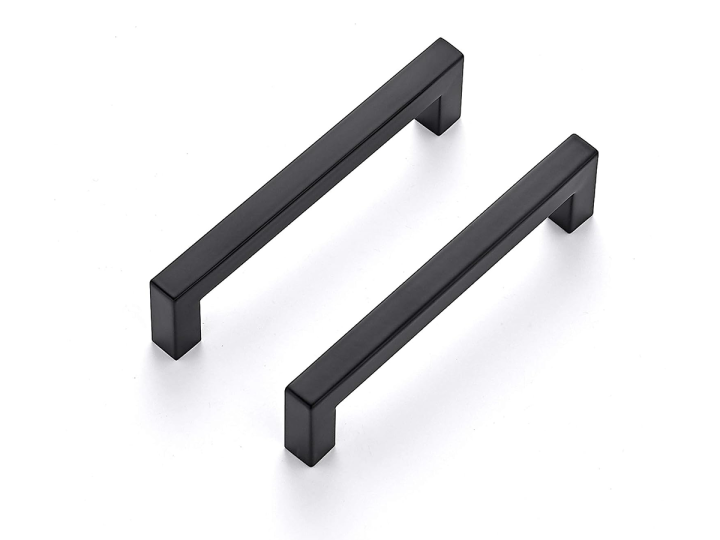
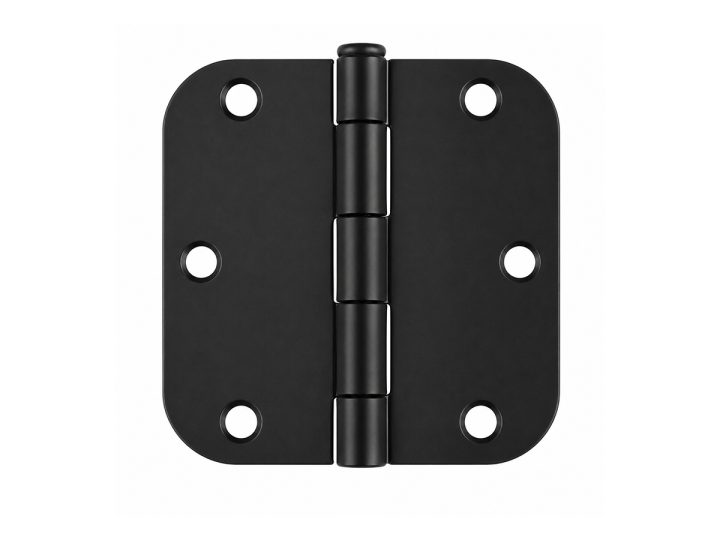
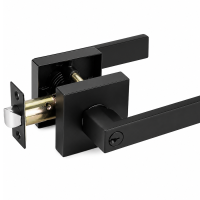
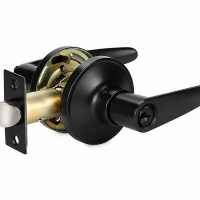
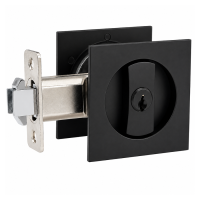
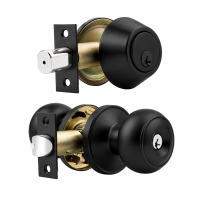
The same nine collections cover four very different buying patterns. What changes is the function mix, the certification you need and how the goods are packed.
Residential new build
Volume housing, apartments and villas. Buyers here care about a consistent look across every door in the plot, keyed-alike sets so the handover pack contains two keys and not eleven, and packaging that survives a site rather than a showroom. Typical specification: handleset plus deadbolt on the entrance, heavy-duty levers on secondary entrances, light-duty levers on bedrooms and bathrooms.
Hotels and hospitality
Guest rooms, corridors and back-of-house. Master key systems matter more than anything else here — we supply grand master, master and change key hierarchies in all four keyway profiles. Indicator privacy (BL) is usual on bathrooms, storeroom function (ST) on housekeeping and plant rooms.
Light commercial
Offices, clinics, schools and retail units. Heavy-duty lever locks on an ANSI/BHMA Grade 2 chassis handle the cycle counts; passage and dummy trim keeps the visual language consistent on doors that do not need to lock.
Renovation and retrofit
Replacement hardware on existing door prep. Adjustable 60/70 mm backsets and the full latch and strike-plate range mean most retrofits drop into the existing mortise without new joinery. Send a photo of the old strike plate and we will tell you which of the five profiles matches.
Distributors and hardware brands
If you resell rather than install, the OEM programme covers your packaging, your model numbers and your keyway, on a platform that is already certified and already in production.
What actually changes between markets
The mechanism inside a lockset is largely market-neutral. What changes is the interface: the hole in the door, the cylinder in the hand, the paperwork at the border.
| Standard | ANSI/BHMA A156.2 and A156.5 in North America; EN 12209 and EN 1906 in Europe, the Gulf and most of Africa; EN 1935 for hinges. They measure different things — ANSI grades by cycle count and static load, EN by category digits for duty, door mass, fire, safety, corrosion and security. |
|---|---|
| Backset | 2⅜ in and 2¾ in (60 and 70 mm) in North America; 55, 60 and 70 mm in Europe and the Gulf. Our adjustable latch covers 60/70 mm, so one lockset suits both preps. |
| Door thickness | 1⅜–1¾ in (35–45 mm) in North America; 38–45 mm in Europe and Australasia. Steel doors in the Gulf and Latin American housing run thinner, sometimes 32 mm — say so and we ship a shorter spindle and screws. |
| Cylinder | Pin tumbler in Kwikset, Weiser, Schlage or Yale sections for North America and Australasia. DIN euro profile elsewhere: 17 mm nose, 5 or 6 pin, in 5 mm steps from 60 mm, split 30/30, 35/35 or offset. |
| Handing | American handing is called from outside the door — LH, LHR, RH, RHR. European handing is DIN left or DIN right, from the hinge side. The two give opposite answers on one door, so send a photograph or a plan arrow, not a letter. |
| Strike and lip | ANSI T-strike and full-lip for North American timber frames; square-corner and radius flat strikes for European and Asian metal frames. Five profiles stocked. |
| Deadbolt throw | 1 in (25 mm) single throw under ANSI A156.5; European practice favours 20 mm double throw or multi-point. |
North America
ANSI/BHMA Grade 2 is the working specification for residential and light commercial, and certification numbers are asked for by name. Kwikset and Schlage keyways dominate; keyed-alike sets and a builder master are expected on tract housing, and deadbolts are almost always separate rather than integrated. Retail goods need UPC barcodes, English and Spanish instructions and a box that survives a shelf. Coastal work gets plated finishes, not coated.
Australia and New Zealand
Buyers reference AS 4145 and expect an entrance set with a passage function plus a separate deadbolt, with a strong preference for satin chrome and satin stainless over brass. Door thickness runs 35–40 mm. Our certification is ANSI/BHMA and CE; where a project specifically requires AS 4145 we say so at enquiry stage rather than imply cover we do not hold. Near the water, stainless fixings and plated finishes are the default.
Middle East
Euro profile cylinders, EN-graded product and CE documentation, with civil defence approval on fire-rated openings in several Gulf states. Hotel and tower work dominates, which puts master keying and delivery reliability ahead of unit price. Heat is the constraint, not damp: west elevations are hard on coated finishes, and sand-laden air abrades a satin surface faster than buyers expect.
South-East Asia
Mixed — euro profile in Singapore, Malaysia and Vietnam, American profile in the Philippines, both in Indonesia and Thailand. Form E under the ASEAN-China agreement usually removes the duty, so certificate of origin details are worth getting right at order stage. Climate drives the rest: year-round humidity means plated finishes on anything opening to outside air, and stainless screws throughout. Stainless knob locks sell well here for that reason.
Latin America
Predominantly American-profile hardware, price sensitive, high volume, with a strong pull towards knob locks and handlesets in satin nickel and antique brass. Thinner steel doors are common in volume housing, so confirm thickness before the first order. Spanish instruction sheets and dual metric-imperial templates remove most installation complaints, and long transits mean packaging has to survive humidity inside a container.
Europe and the UK
EN 12209, EN 1906 and EN 1935 are the language of the specification, written as category digits rather than a single grade. Euro cylinders, DIN handing and 55/60 mm backsets are standard. CE marking with a declaration of performance is what we hold; UK importers should confirm their UKCA position before the first shipment so labelling is right at carton stage. Matte black and satin nickel carry the volume; antique brass has returned on heritage work.
Africa
Euro profile across most of the continent, with a security-led bias: reinforced strikes, longer screws, deadbolt or double-throw functions and hinges rated for heavier doors. Documentation is where projects stall — several markets require pre-shipment conformity assessment such as PVoC, booked before production ends. Name the destination country with the order and we will flag it.
Humidity, salt and the coast
The commonest avoidable failure we see is a coated finish on an exposed coastal door. Coated finishes are rated to 48 hours neutral salt spray and living brass to 24; plated, 96. Within roughly five kilometres of open water, or on any elevation facing onshore wind, specify plated — satin nickel, satin chrome, chrome or satin stainless — with stainless fixings. Keep matte black and oil-rubbed bronze for interiors and sheltered entrances. Inland tropics bring condensation rather than salt: store cartons ventilated, not sealed on a slab for six months before installation.
Tell us the site, not just the country. A hotel 300 metres from the water and an office park 40 km inland are different specifications, and we would rather change the finish before the order than after.