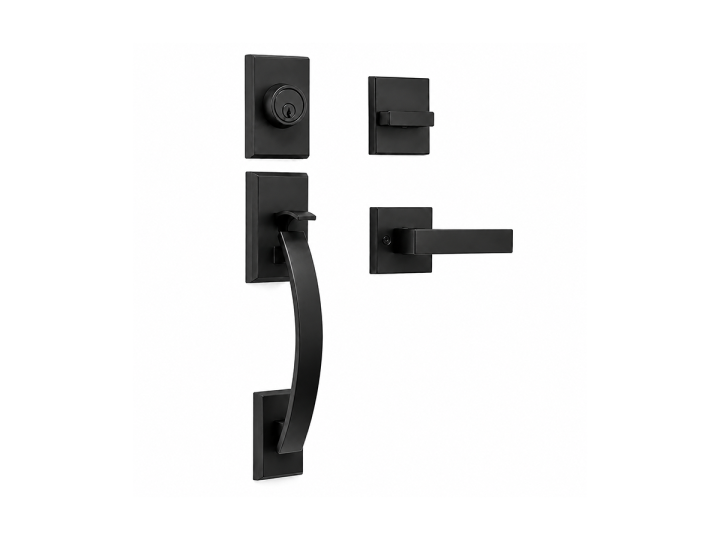
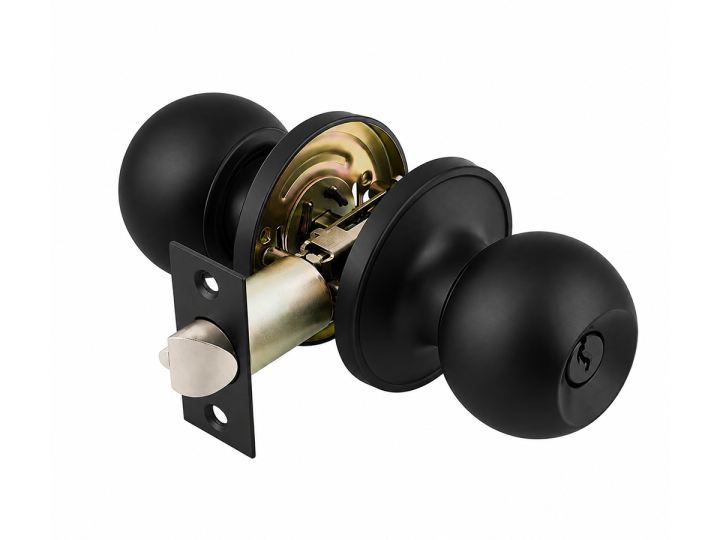
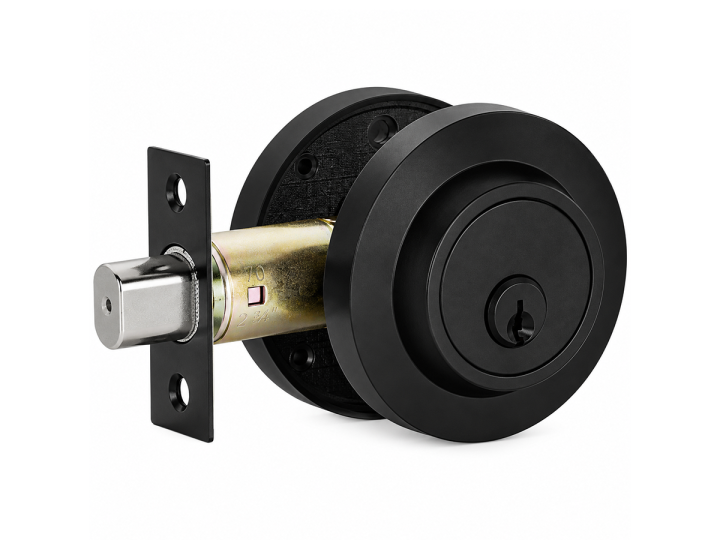
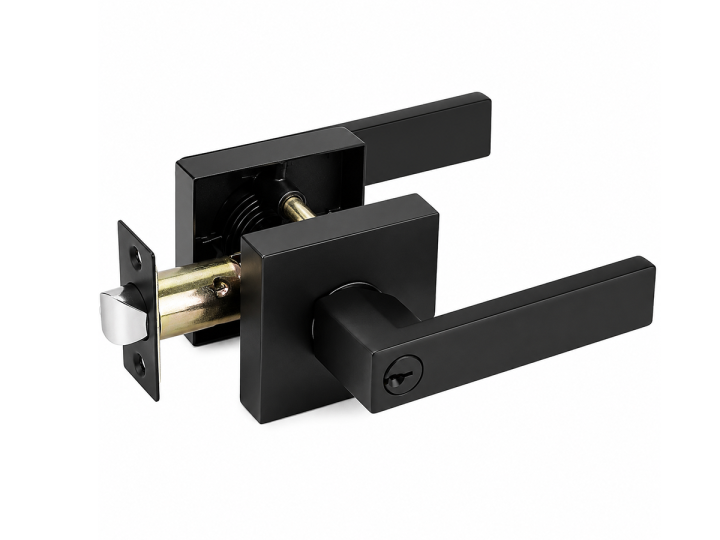
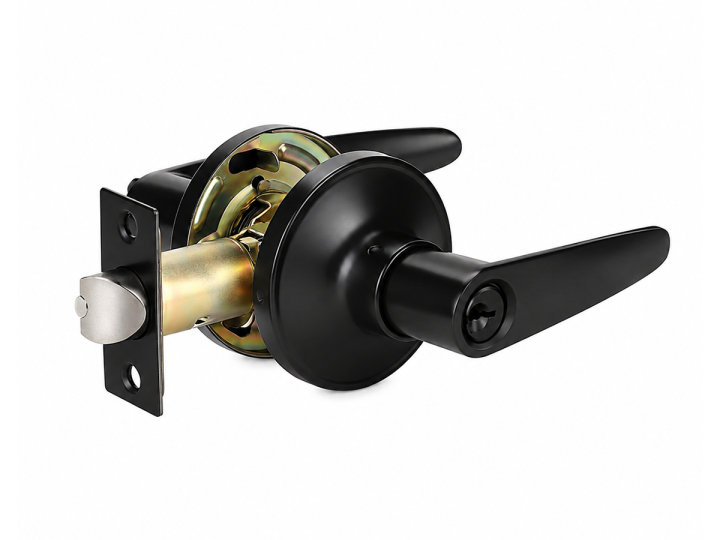
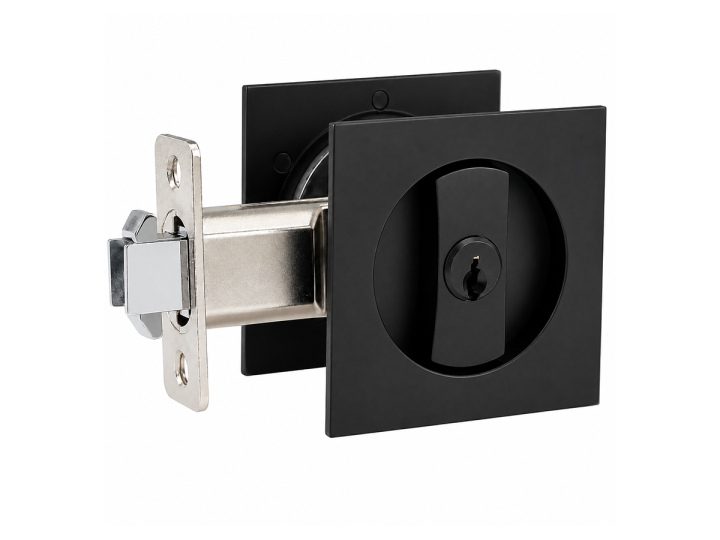
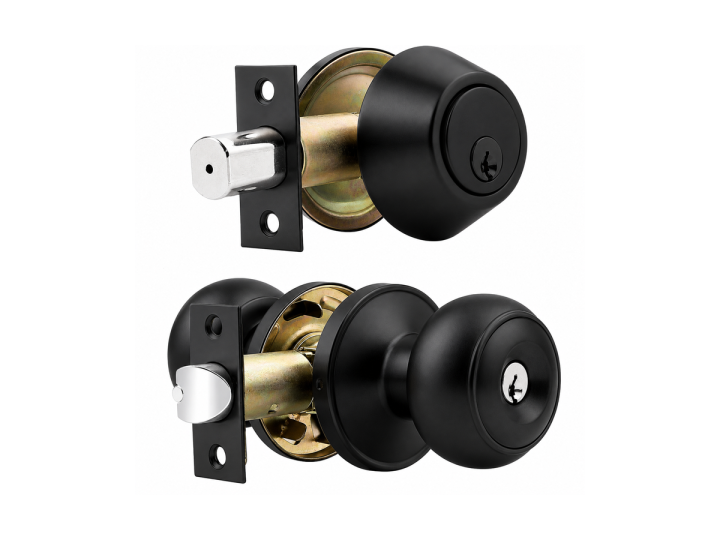
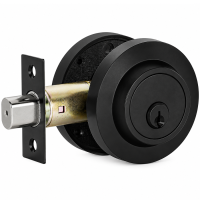
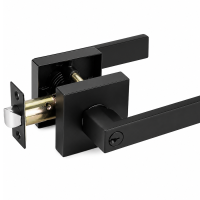
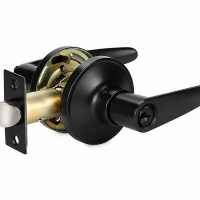
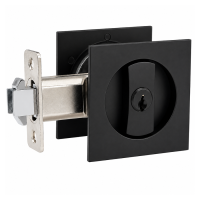
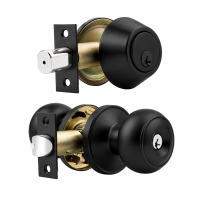
Roughly half of what leaves our factory carries somebody else’s name on the box. Here is exactly what an OEM or ODM programme with Yanfeng covers, and what it costs you in time.
OEM — our platform, your brand
You take an existing catalogue model and make it yours. Nothing about the mechanism changes, so there is no re-certification, no sampling risk and no tooling bill.
- Colour box, blister or brown carton to your artwork
- Instruction sheet and template in your language
- Laser-marked or stamped logo on the rose, lever or faceplate
- Private keyway and your own key bow profile
- Your model numbering used on cartons, labels and packing lists
- Barcodes, country-of-origin marking and retail hang tabs
Lead time: artwork approval to first shipment is typically 30–45 days.
ODM — your design, our engineering
You bring a drawing, a render, a competitor sample or a sketch on a napkin. We handle DFM, tooling, sampling and certification.
- Design review and manufacturability feedback before you commit
- Zinc-alloy die-cast tooling for new lever, knob and escutcheon shapes
- T1 samples with a dimensional report for your sign-off
- ANSI/BHMA or CE cycle testing arranged where the market requires it
- Exclusivity by territory, agreed in writing before tooling is cut
Lead time: 45–60 days from frozen design to T1 samples, plus your approval cycle.
What we need from you to quote
- The model or the drawing — a catalogue number, a photo or a STEP file all work
- Function and finish — or tell us the market and we will suggest the mix
- Annual volume and a first-order quantity
- Destination market, so we can flag the certification you will actually need
Protecting your design
NDA signed before you send files, on our paper or yours. Tooling for an ODM programme is stored separately and is never run for another account. Title to the tooling passes to you on final payment, and it is returned on written request.
Tooling, step by step, and who owns the mould
Most OEM programmes never need a mould. Re-badging a catalogue model uses tooling that already exists, so the conversation is about artwork, marking and keying. Tooling only enters when a lever, knob, rose or escutcheon changes shape.
- DFM review. We mark up your drawing for wall thickness, draft angle, parting line, gate position and ejector marks, and show where a visible surface carries a witness line. Free, three to five days.
- Design freeze. Nothing is cut until you sign a dated 3D file. Later changes are quoted as modifications.
- Steel cut. Hardened tool steel, typically 25–35 days by cavity count and surface complexity.
- T1 samples. First shots, unfinished, with a dimensional report against your drawing. Expect to find something; that is the point of T1.
- T2 and finish trial. Tooling corrected, then samples run through the real plating line, not hand-finished, so you approve what production makes.
- Pilot run. A short run at line speed to prove cycle time, polishing hours and fit.
Ownership. Title to ODM tooling passes to you on final payment of the tooling charge. It is stored under your project code, never run for another account, and returned on written request at your freight cost. We maintain it free for the life of the programme and warn you before a worn cavity affects quality. Tooling idle 36 months may be scrapped after notice.
Minimum quantities, by scenario
| Catalogue model, our packaging | 50 sets per model per finish |
|---|---|
| Your colour box or trade pack | 200 sets per model per finish, or 500 per artwork shared across models |
| Laser-marked logo | 200 sets per model per finish |
| Private keyway | 1,000 cylinders per keyway, one time |
| Finish outside the standard eleven | 500 sets — a plating batch is a batch whether full or not |
| New die-cast tooling (ODM) | 2,000 sets first order; tooling charge quoted separately |
These are working minimums, not negotiating positions. Below them we usually still run the order, with the setup cost as a separate line rather than hidden in the unit price.
Private keyways and keying schedules
We cut four keyway profiles as standard: Kwikset, Weiser, Yale and Schlage. A private keyway is a restricted section only your cylinders and blanks accept, so a locksmith down the road cannot cut a key for your product.
- Keyed different is the default.
- Keyed alike — state the set size. Six doors on one key is one KA group, not six.
- Master keyed — send the door schedule and we return a bitting chart with grand master, master and change key levels, plus an engineering master keeping plant and riser doors off housekeeping keys.
- Key bow — your shape and stamping, 5,000 keys per bow tool.
- Bitting records stay under your project code, never released without your written instruction.
Send the keying schedule with the order. One arriving in week three of a five-week build is the commonest cause of a late container.
Marking and packaging options
- Laser marking on rose, lever, faceplate or strike, on all eleven finishes
- Pad printing or stamped marking where the look calls for it
- Colour box, blister, window box or brown carton to your artwork
- Instruction sheet and drilling template in your language
- EAN or UPC barcodes, hang tabs, origin and batch marking
- Your model numbering on cartons, labels and packing lists
Sampling timeline, week by week
| Week 0 | NDA signed, files in, DFM review returned |
|---|---|
| Week 1 | Quotation and cavity plan agreed; design frozen |
| Weeks 2–6 | Tooling cut; artwork, keying schedule and marking run in parallel |
| Week 7 | T1 samples shipped with dimensional report |
| Week 8 | Comments consolidated into one marked-up drawing |
| Weeks 9–10 | Tooling correction, T2 samples in production finish, packaging proofs |
| Week 11 | Golden sample sealed and countersigned |
| Weeks 12–16 | Pilot and first bulk production — 25–35 days at standard order size |
OEM programmes with no new tooling are far shorter: artwork approval to first shipment is typically 30–45 days.
Files we can work from
STEP and IGES preferred. We also accept Parasolid (x_t), SolidWorks and Creo native files, DWG and DXF for 2D, and dimensioned PDFs. A physical sample beats all of them — it gives true fit, which a render never does. Photographs and a door schedule are enough to start.
Confidentiality and intellectual property
NDA before files are exchanged, on our paper or yours. Your drawings, bitting records and artwork sit under a project code, never shown to other customers or used in our catalogue. Exclusivity is agreed in writing before steel is cut — territory, term and the volume that sustains it. We do not publish customer names or use your product in our marketing without written permission.
What makes an OEM project fail
- The design is never frozen. Three small changes after T1 cost more than one large change before it.
- No single decision maker. When four people comment on one sample, the comments contradict and nobody signs.
- Finish approved on a screen. A monitor shows a photograph of a lighting setup. Approve a physical swatch.
- A first order too small to carry the tooling. A mould amortised over 300 sets gives a price nobody buys.
- Artwork without compliance data. Barcodes, importer address, warning text and recycling marks are cheap at proof stage, expensive at carton stage.
- Certification discovered late. Give us the destination market at enquiry stage so the standard is designed in, not retrofitted.