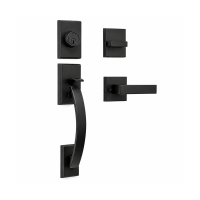
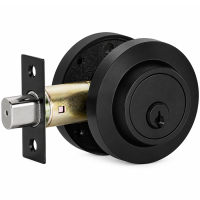
Every door hardware programme eventually has to answer a simple question with expensive consequences: how much of the range should be door knobs, and how much should be lever handles? Get the split wrong and a distributor ends up with slow-moving cartons of one style while customers wait for the other. This guide compares mechanical tubular knob locks and lever locks from a buyer’s point of view, covering where each sells, accessibility rules, functions, door prep, finishes and how to plan a balanced first order with an OEM/ODM factory. Everything here refers to fully mechanical hardware, not smart or electronic locks.
Knobs and Levers Share the Same Core
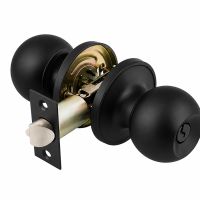
Inside the door, a residential tubular knob lock and a tubular lever lock are close relatives. Both typically use a tubular latch through a 2-1/8″ (54 mm) cross bore, a 1″ (25 mm) edge bore, and a 2-3/8″ or 2-3/4″ (60 or 70 mm) backset. The difference is the trim the user holds: a knob is turned with a grip and a twist of the wrist, while a lever is pushed down with a hand, an elbow or even a closed fist.
Because the door prep is the same, an installer can usually swap a knob for a lever without re-drilling. That makes the decision a commercial one for importers: which style does your end customer expect, and which will they be required to use?
Where Door Knobs Still Sell
Knobs have lost share in many markets, but they remain a volume item in several channels:
- Residential replacement and DIY retail. Many older homes in North America were built with knobs, and homeowners often replace like for like.
- Budget builder and rental packs. A simple ball knob is compact, familiar to installers and competitive on price per door.
- Traditional and transitional interiors. Ribbed, stepped-rose and classic ball shapes suit period styles that a modern lever would not.
- Homes with small children or pets. Some homeowners prefer knobs on certain doors because a round knob is harder for a toddler or a dog to open than a lever.
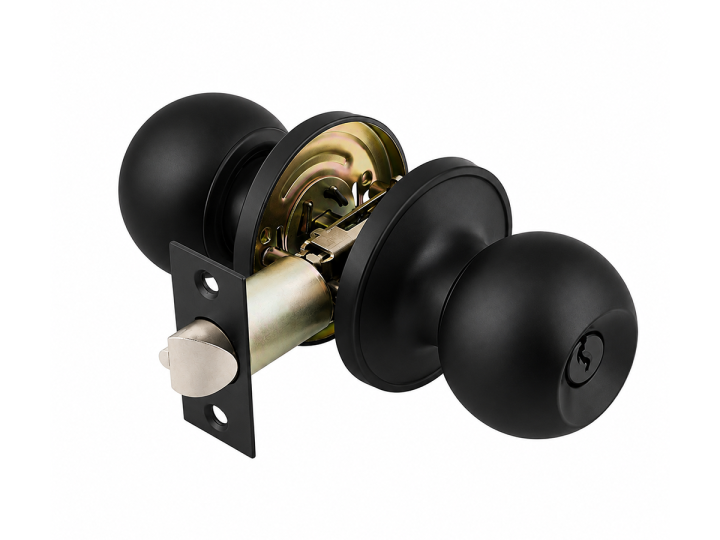
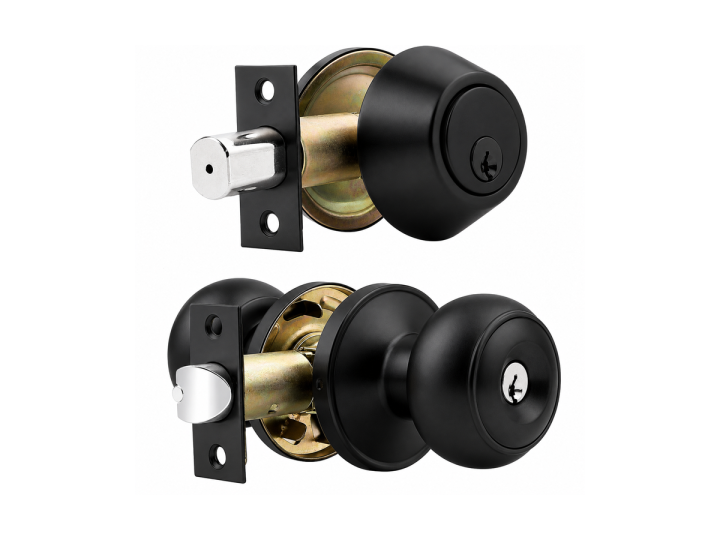
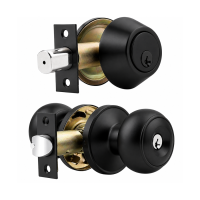
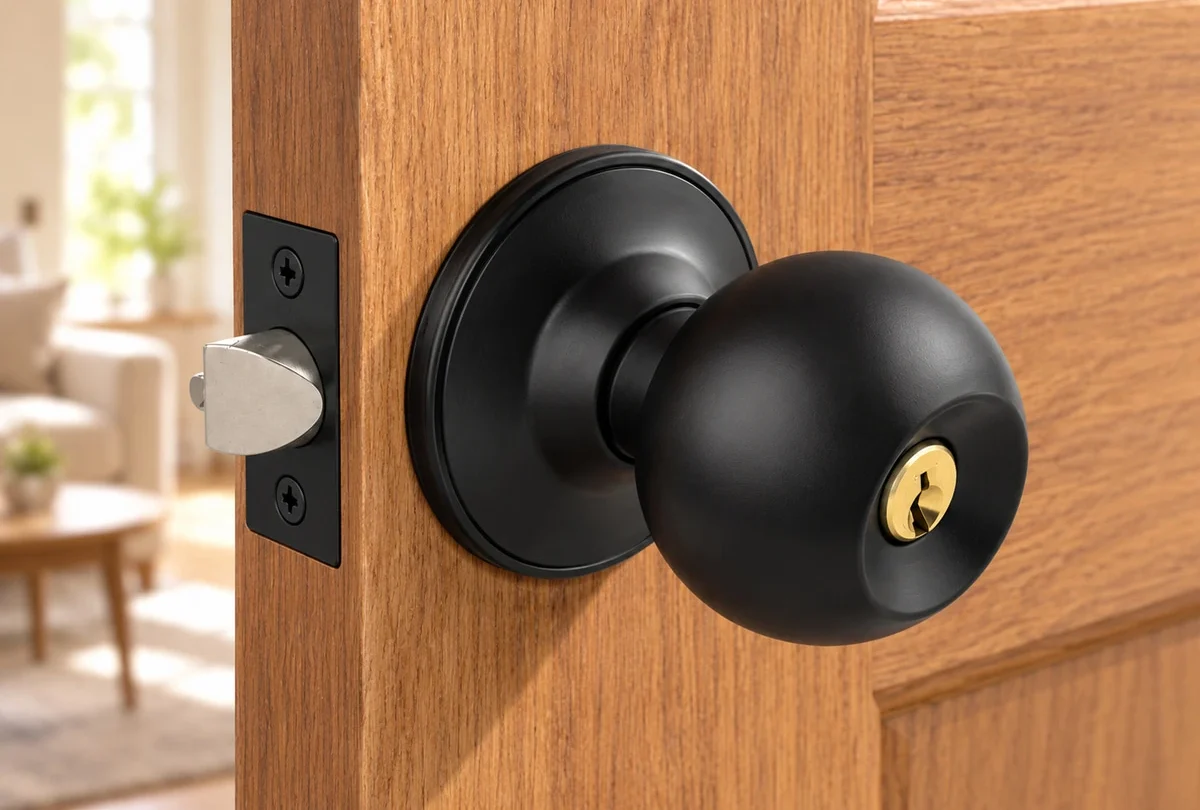
Our YF502 tubular knob lock, for example, puts a slightly fuller round knob on a stepped round rose, giving a more substantial look than a basic ball knob for these residential channels.
Where Lever Handles Win
Levers have become the default in most commercial work and in a growing share of new homes:
- Commercial, hospitality and multi-family projects. Hotels, offices, clinics and apartment corridors are commonly specified with levers for ease of use and accessibility.
- Modern residential design. Straight, square and paddle levers in matte black or satin gold match current interior trends better than most knobs.
- Ageing-in-place and universal design. Levers are easier for people with arthritis, limited grip strength or full hands.
- Higher price points. Decorative lever shapes often carry a better margin than equivalent knobs in retail.
Accessibility rules buyers should understand
In the United States, the 2010 ADA Standards for Accessible Design require operable parts on accessible routes to be usable with one hand without tight grasping, pinching or twisting of the wrist. A standard round knob generally does not meet that requirement, which is why levers are the usual choice on doors covered by accessibility rules in public and commercial buildings. Canada and many other markets apply similar principles through their own building and accessibility codes. Treat this as general background rather than legal advice; the project architect or local authority decides what applies to each door.
Functions: Match the Catalogue to the Door
Both knobs and levers are usually offered in the same core functions, so plan your range by function before style. On Yanfeng product pages these appear as function codes:
- ET (entrance): keyed outside, used on secondary entrances, garages, offices and storage rooms.
- BK (bed/bath privacy): an inside button locks the door, with an emergency release outside.
- PS (passage): latches but never locks, for hallways and closets.
- DL (dummy): a fixed, non-turning trim for closets and inactive leaves of double doors.
Our guide to lock function codes explains how these terms map to what your customers call them. Not every model is offered in every function, so check the function list on each product page before you build a quote.
Heavy-Duty and Light-Duty Levers
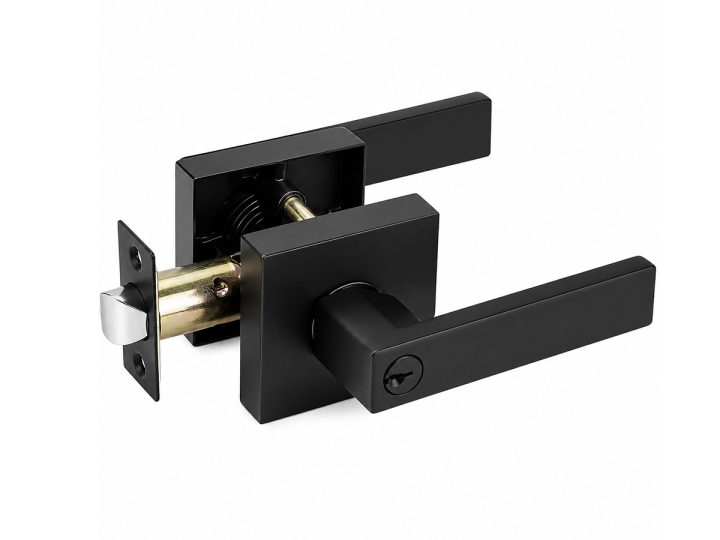
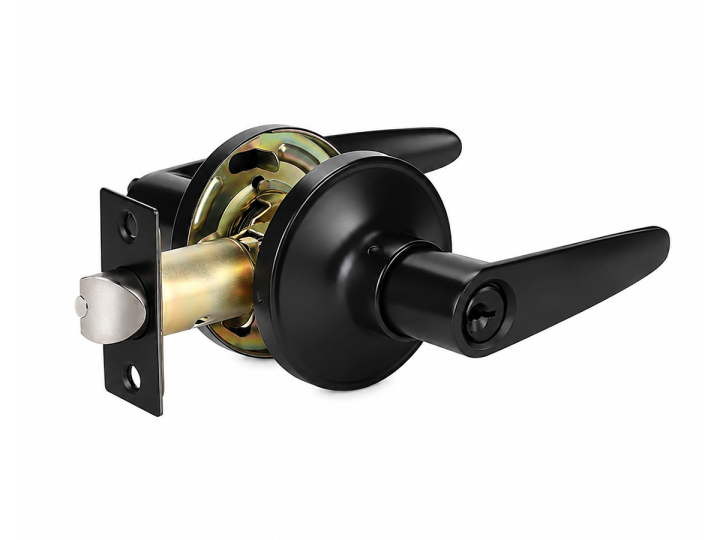
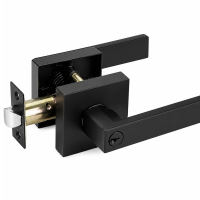
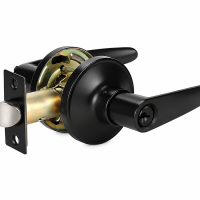
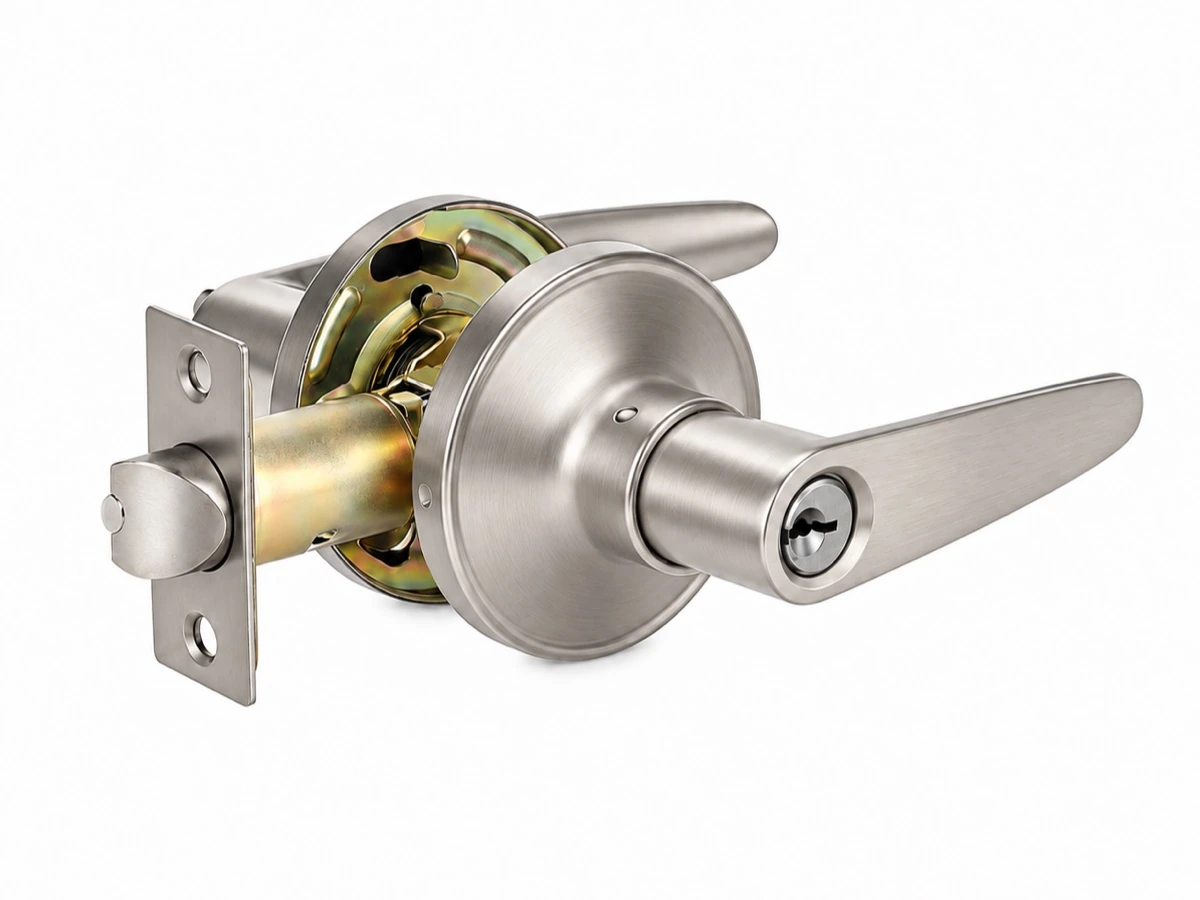
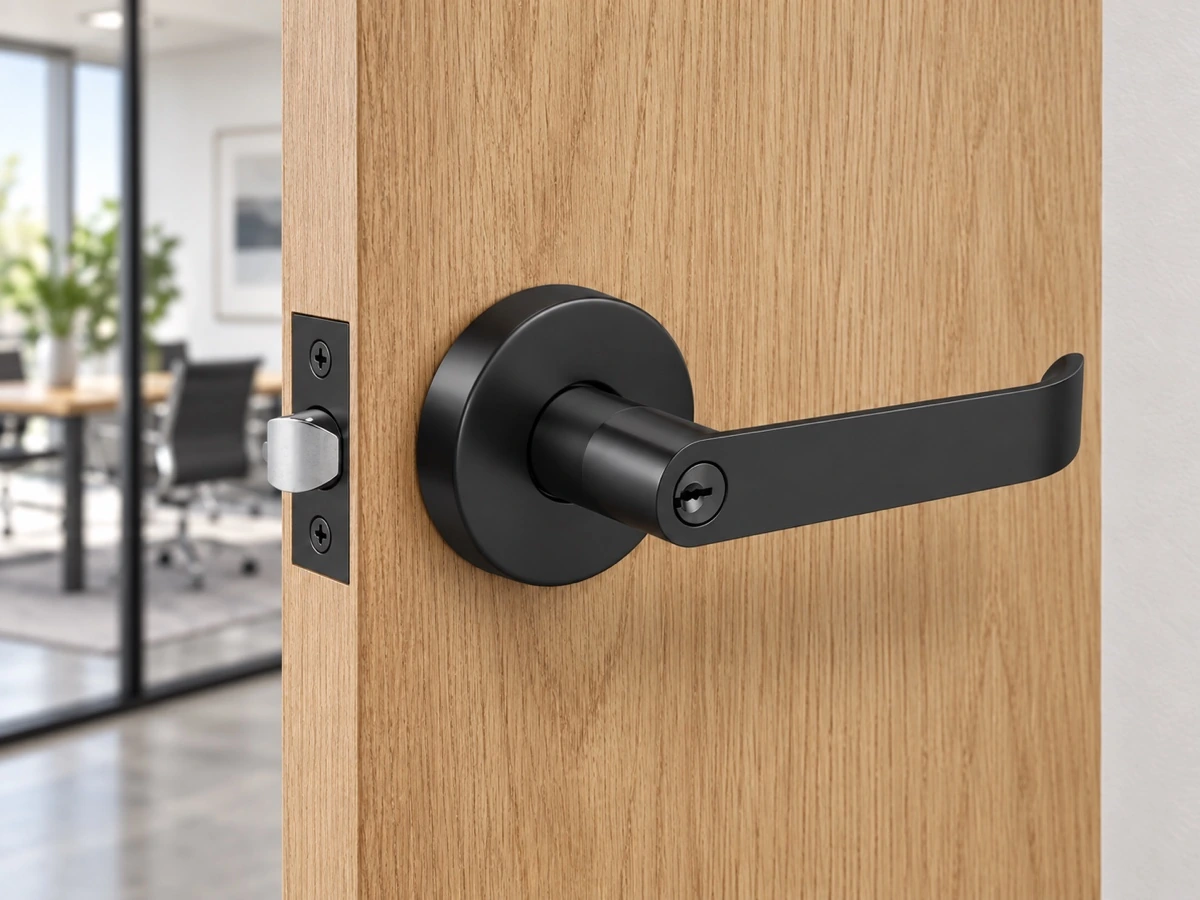
Once you decide to stock levers, the next question is duty level. Light-duty lever locks suit bedrooms, bathrooms and closets where a door is used a few times a day. Heavy-duty lever locks use sturdier construction for entrance and storeroom doors in offices, hotels and apartment buildings. The YF606 light-duty lever lock is a curved paddle lever on a round rose, while the YF804 heavy-duty lever lock is a commercial-style lever with a return at its tip that turns back toward the door, a detail many project buyers request because it reduces snagging on clothing and bags.
For a deeper comparison, read heavy-duty vs light-duty lever locks.
Specs to Confirm for Either Style
- Door thickness: typically 1-3/8″ to 1-3/4″ (35 to 45 mm); thicker doors may need longer spindles or screws.
- Backset: an adjustable 60/70 mm latch covers most North American doors and reduces SKU count.
- Rose size: larger roses help cover old holes in renovation work.
- Handing: many levers are reversible, but confirm before ordering. See backset, handing and door thickness.
- Keyway: for entrance functions, choose the keyway your market expects and decide whether sets are keyed alike, keyed different or part of a master-key system. Our article on keyed alike and master key systems covers the options.
- Standards language: buyers in North America often reference ANSI/BHMA A156.2 for bored and preassembled locks. Treat any grade as model-specific and confirm it against the exact configuration you order. Our ANSI/BHMA grades explainer gives the background.
Finishes Must Match Across the Range
A homeowner or hotel will often use knobs on some doors and levers on others, plus deadbolts and hinges, so finishes must read as one family. YF502, YF606 and YF804 are offered in the same finish codes: satin nickel (SN), matte black (MB), oil-rubbed bronze (ORB), satin chrome (SC) and antique brass (AB). Approve physical finish samples side by side under your own lighting, and see the full finish chart for other options.
Planning a Balanced First Order
For a North American residential distributor, a practical starting point is one or two knob styles, one or two light-duty lever styles and one heavy-duty lever for project customers, each in your two or three strongest finishes. Lead with privacy and passage in the light-duty levers, and entrance in the knobs and heavy-duty levers. Hospitality and commercial buyers can usually skip knobs entirely and focus on heavy-duty levers plus matching deadbolts.
At Yanfeng, the minimum order for these models is 500 pieces per model and finish, and lead time is 30 to 45 days after sample approval. Knobs, levers, deadbolts and combo locksets can be consolidated in one container. Private-label options such as branded colour boxes, barcodes and logo marking are handled through our OEM and ODM service, and the ordering guide explains the steps from inquiry to shipment.
FAQ
Can I replace a knob with a lever without re-drilling the door?
Usually yes. Standard tubular knobs and levers share the same 2-1/8″ cross bore, 1″ edge bore and 60/70 mm backset, but confirm rose size and door thickness for each model.
Are door knobs allowed in commercial buildings?
On doors covered by accessibility rules, such as those under the ADA in the US, round knobs generally do not comply because they require grasping and twisting. Levers are the usual choice. The project’s architect or local code official has the final say.
Which sells more, knobs or levers?
It depends on your channel. Replacement retail and budget rental work still move knobs, while new construction, hospitality and commercial projects lean heavily toward levers. Review your own sales data before setting the split.
Are these smart or electronic locks?
No. The knobs and levers discussed here are fully mechanical, with roses, springs, tubular latches and optional keyed cylinders, and need no batteries or apps.
Request Samples and a Quote
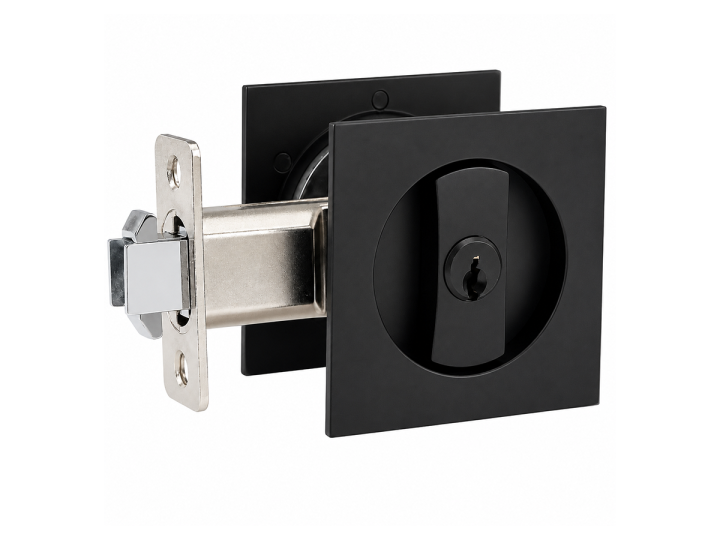
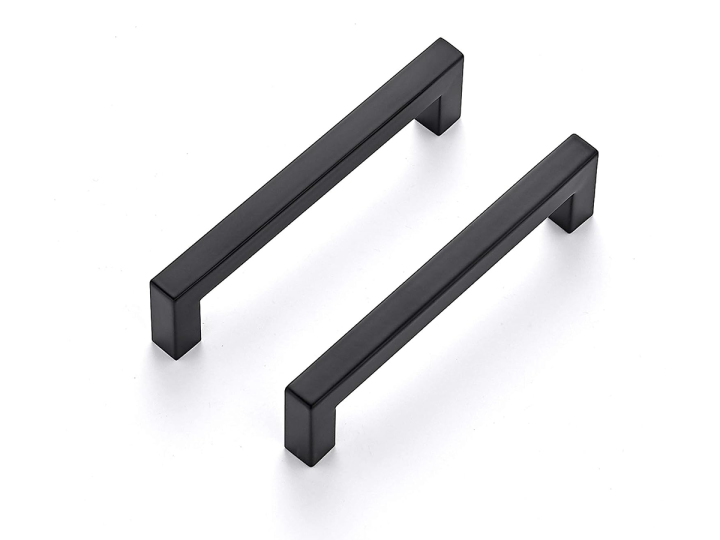
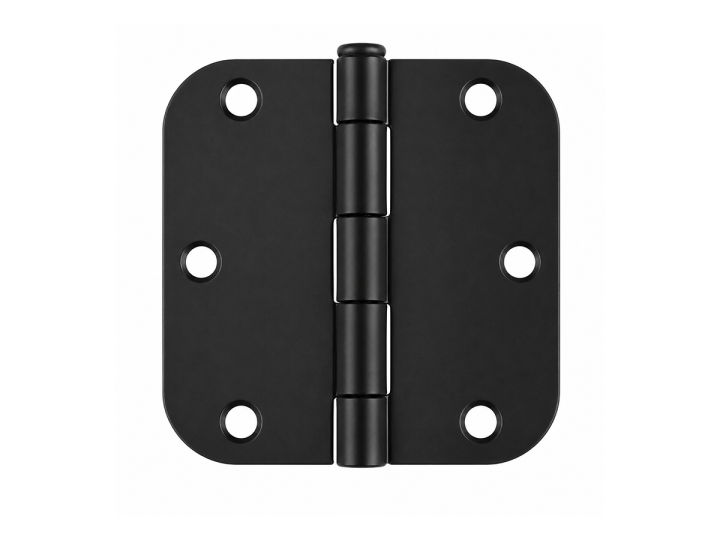
Zhongshan Yanfeng Lock Industry Co., Ltd. manufactures mechanical tubular knob locks, lever locks, deadbolts, handlesets, combo locksets, sliding and pocket door locks, pull handles and hinges for importers, distributors, contractors, hospitality buyers and private-label brands. Tell us your market, door prep, functions, finishes and expected volume, and we will recommend a knob and lever mix and arrange samples.
Email [email protected], message us on WhatsApp or call +86 156 7475 6738, or reach our US line at +1 (971) 449-4495. You can also use our contact page, browse the tubular knob lock collection, or download the 2026 product catalogue.