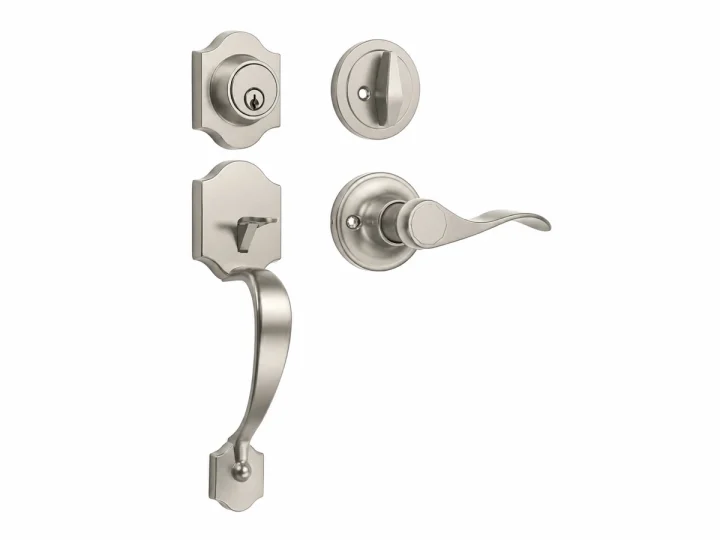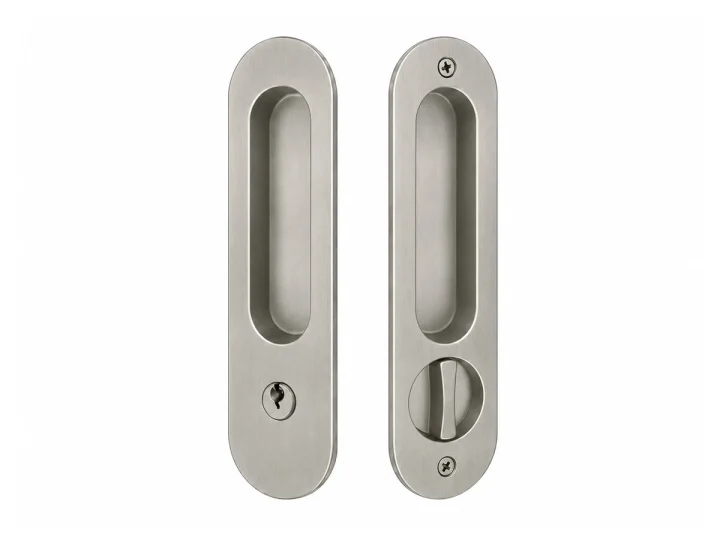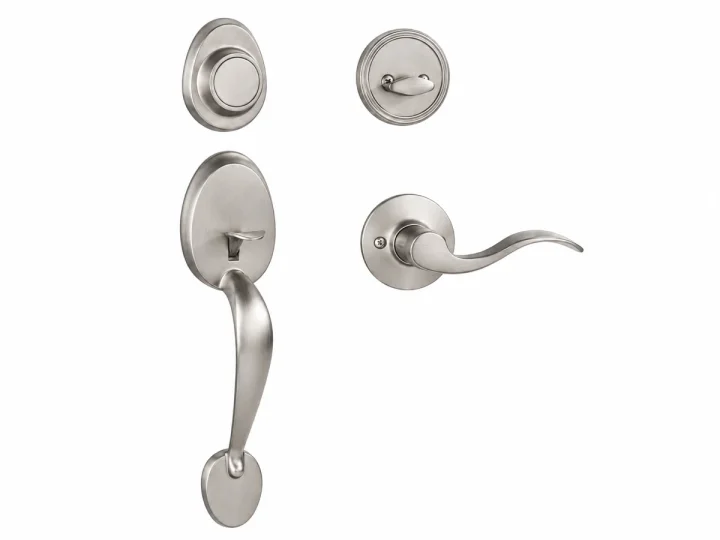
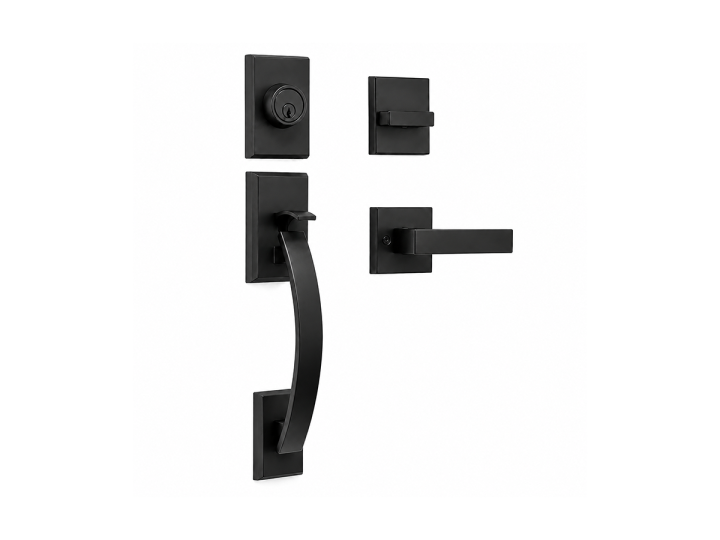
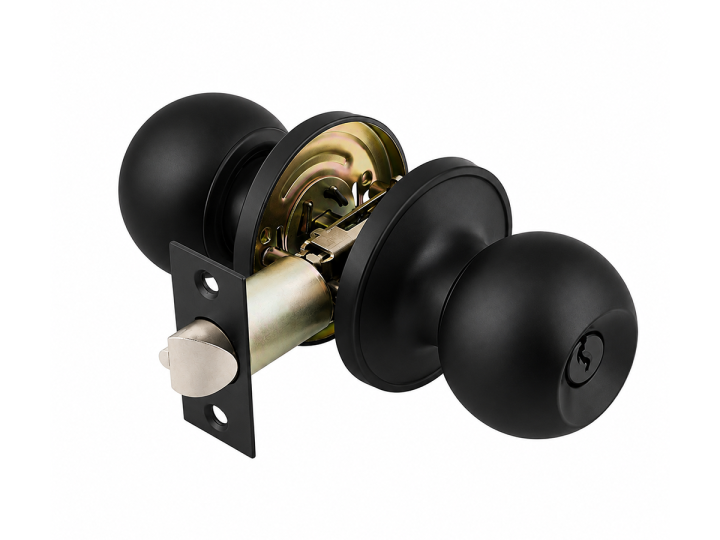
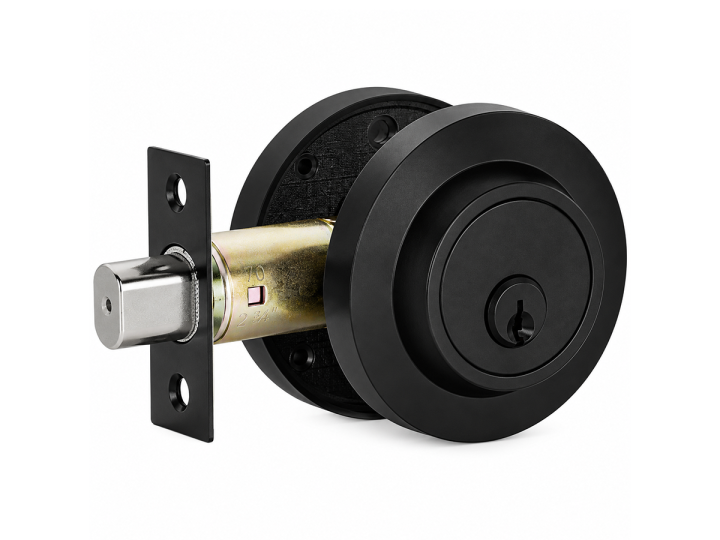
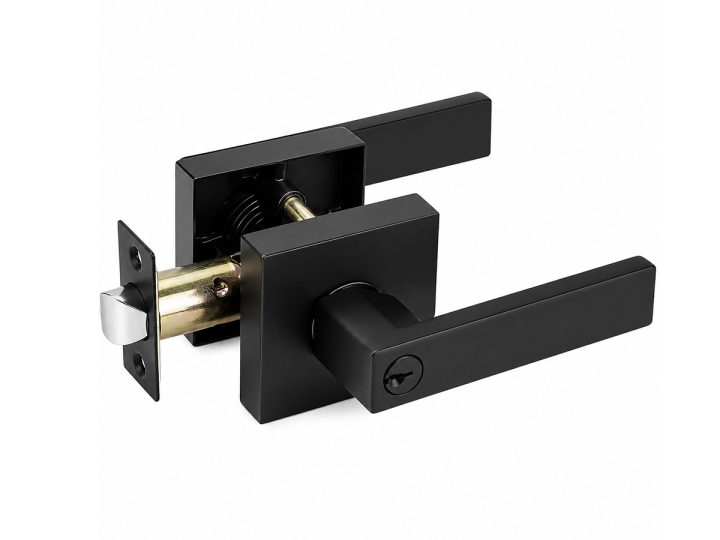
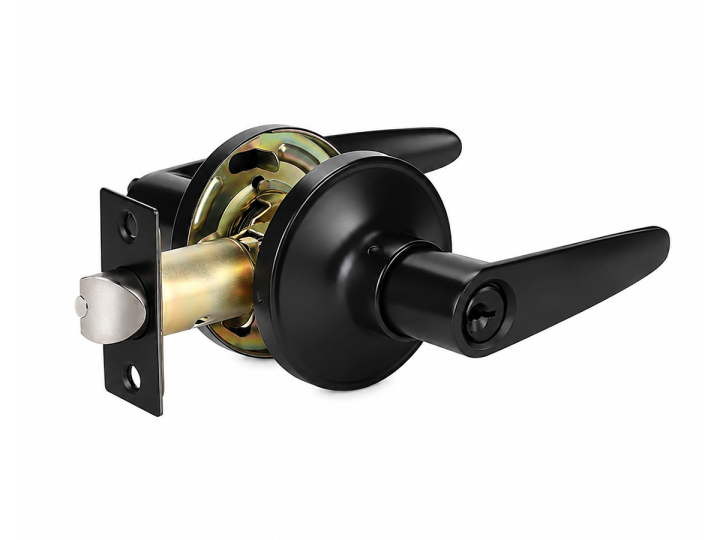
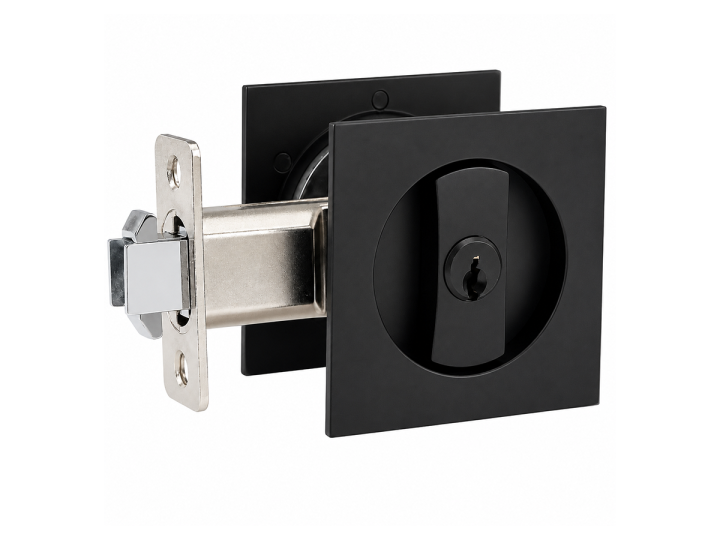
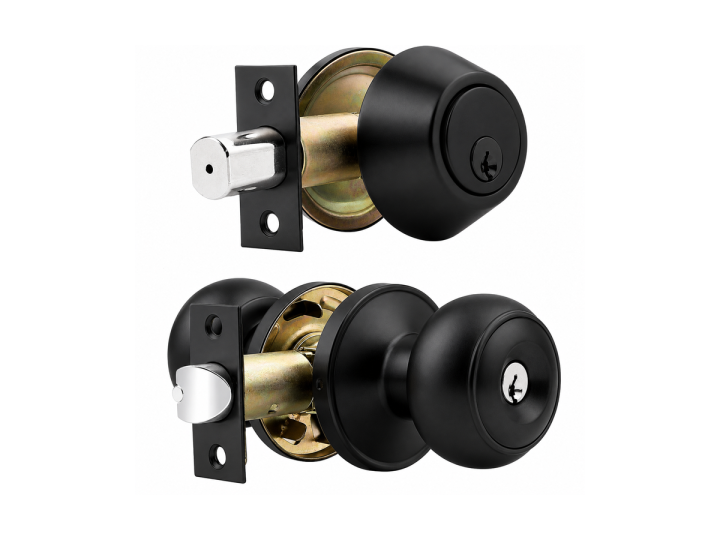
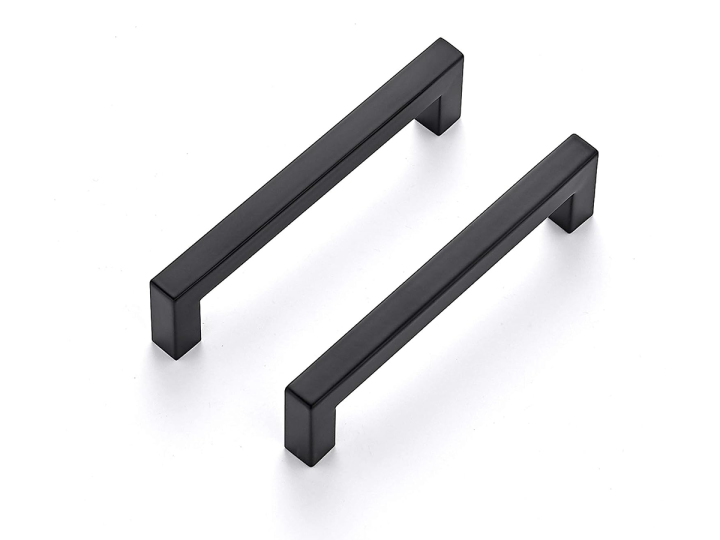
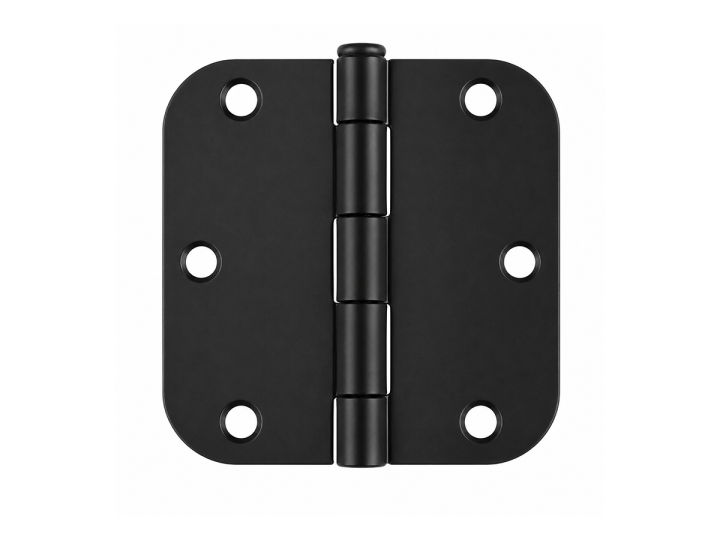
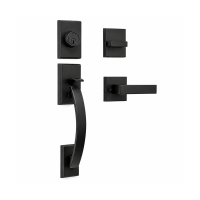
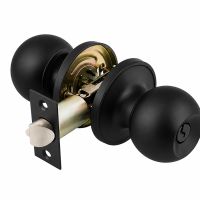
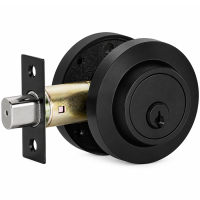
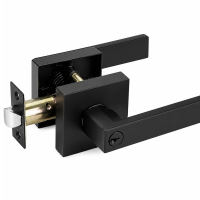
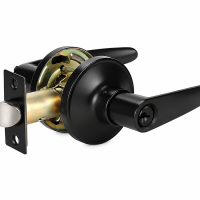
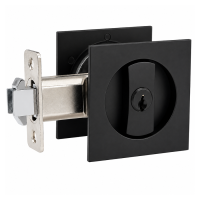
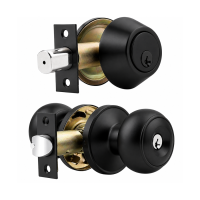
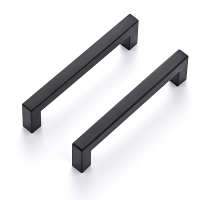
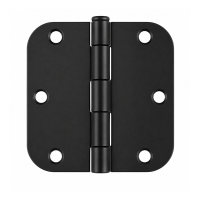
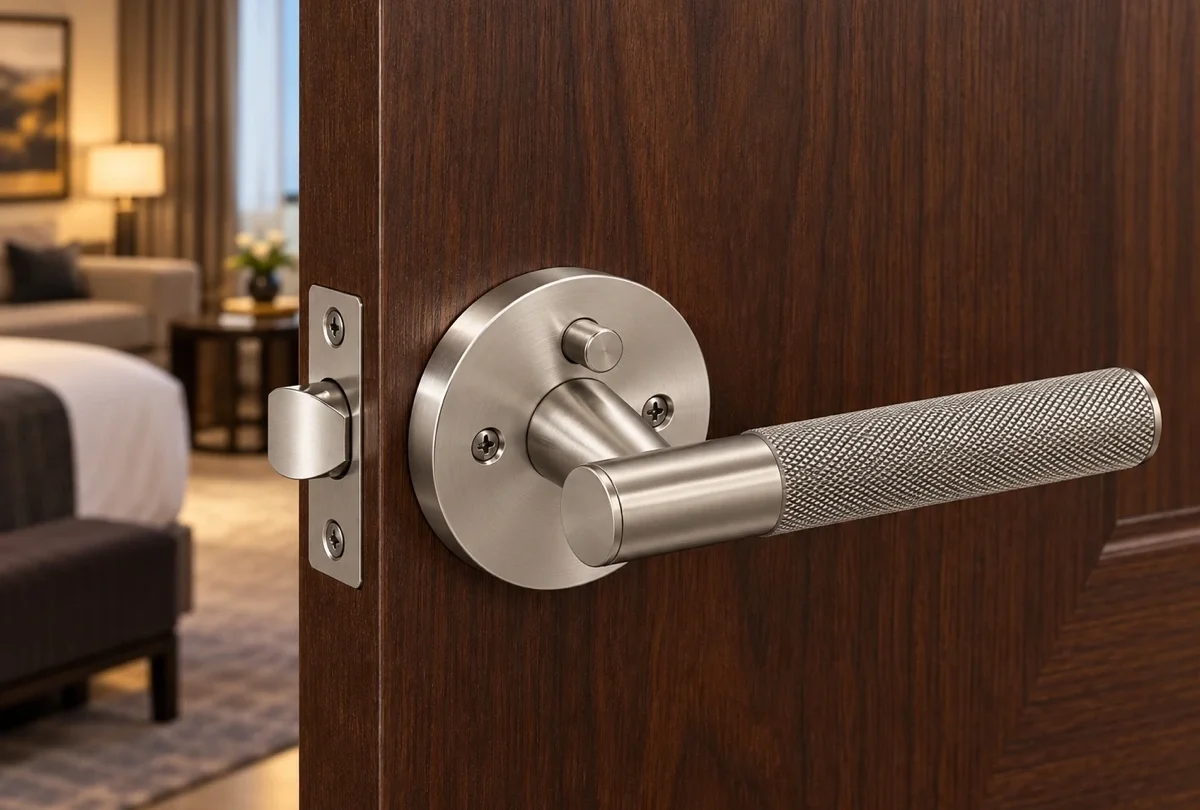
Privacy locks are the most-ordered function in almost every residential and hospitality door hardware programme. Every bathroom, bedroom, hotel guest bathroom and single-occupancy restroom needs one, so a privacy SKU often outsells passage and keyed entry functions combined on a project schedule. Yet privacy is also where many first orders go wrong: the wrong emergency release, the wrong button type, or a trim style that does not match the rest of the range. This guide explains how mechanical privacy lever and knob locks work, what to specify, and how importers, distributors and private-label brands can plan a privacy line with an OEM/ODM factory. Everything here refers to fully mechanical hardware, not smart or electronic locks.
What a Privacy Lock Actually Does
A privacy lock (often coded “BK” for bath, or F76 in ANSI/BHMA function terminology) lets the occupant lock the door from the inside without a key. The inside trim carries a push button or turn button; the outside trim has no key cylinder, only a small emergency release opening. Typical behaviour:
- Locking. Pressing or turning the inside button locks the outside lever or knob. The latch can still be retracted from the inside at all times.
- Unlocking from inside. On most push-button designs, turning the inside lever or closing the door releases the button automatically, so nobody gets locked out by accident.
- Emergency release. A small tool, a coin or a flat blade inserted into the outside trim unlocks the door if someone inside needs help, such as a child or an elderly guest.
For a full comparison of passage, privacy, entry and dummy functions, see our guide to lock function codes.
Key Specifications to Confirm Before Ordering
Button type: push button or turn button
Push buttons are the most common choice for North American residential privacy sets. They are fast to use and usually release automatically when the inside lever is turned. Turn buttons (a small thumb piece on the rose or lever) give a more deliberate action and are popular in hotel and multifamily projects where designers want the lock state to be visible. Confirm which one your market expects and whether the button releases automatically.
Emergency release style
The outside release can be a small pin hole, a slotted turn for a coin or screwdriver, or a release integrated into the lever. Pin-hole releases need a tool that end users often lose, so many hospitality buyers prefer a coin-slot release that housekeeping or staff can open quickly. Agree on the release type and include any tool in the box contents list.
Door prep and latch
Most residential and light commercial privacy locks use the same prep as other tubular locks: a 2-1/8″ (54 mm) cross bore, a 1″ (25 mm) edge bore and a 2-3/8″ or 2-3/4″ (60 or 70 mm) adjustable backset. Bathroom doors are usually spring latch only; a deadlatch is rarely needed because the door is not a security door. Confirm door thickness range (commonly 1-3/8″ to 1-3/4″, 35 to 45 mm, with some models fitting doors up to 50 mm). Our guide to backset, handing and door thickness covers these checks in detail.
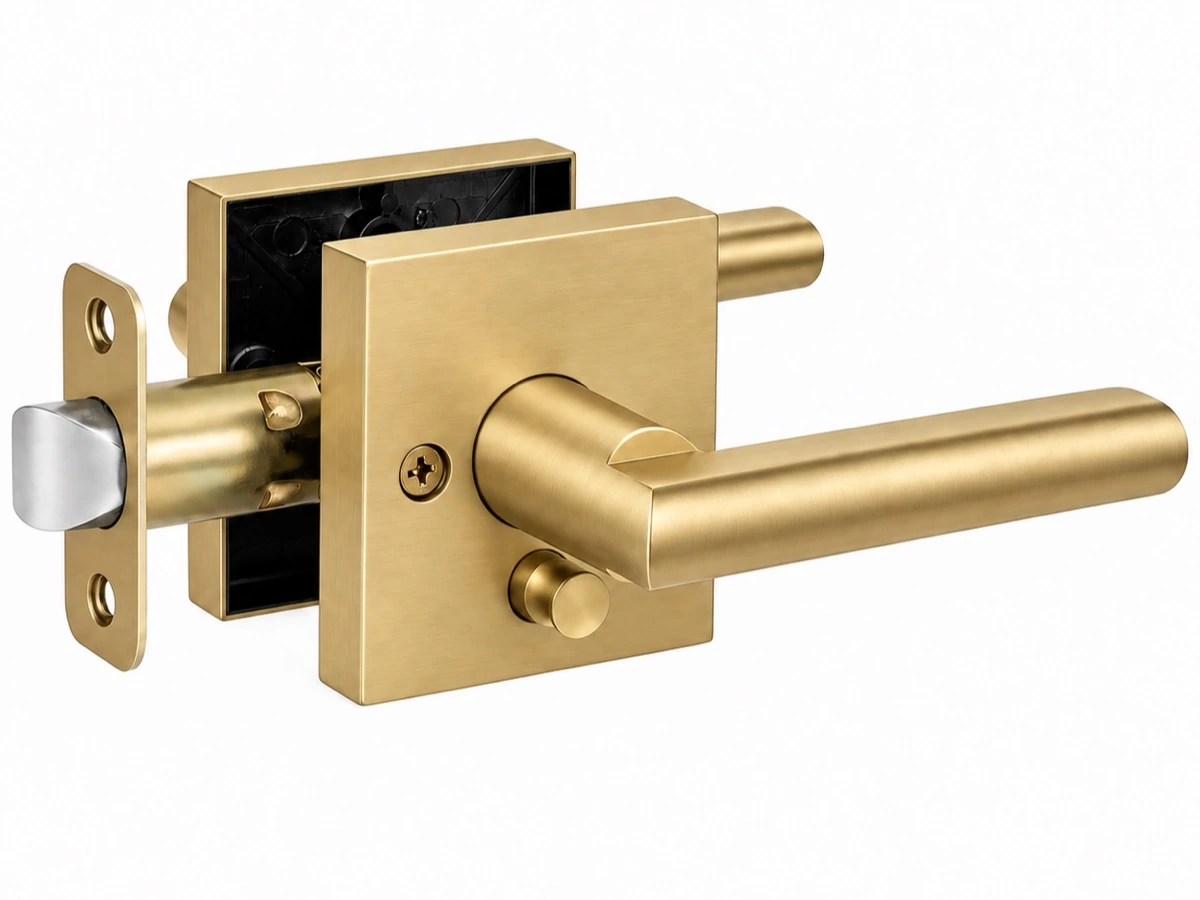
Lever or Knob for Privacy Doors?
Levers now dominate privacy specifications in hotels, offices and multifamily projects because they are easier to operate with wet or full hands and help projects meet accessibility expectations such as the ADA in the United States, which favours hardware that does not require tight grasping or twisting. Knobs still sell well in residential replacement and budget packs, and some homeowners choose them for bathrooms in homes with young children.
A practical range usually carries privacy versions of its best-selling designs in both styles. For example, the YF818 knurled grip lever lock and the YF816 square rose bar lever lock are both offered in entry, privacy (BK), passage and dummy functions, so a project can use one design on every door. Browse the full heavy-duty lever locks, light-duty lever locks and tubular knob locks to match privacy functions across your range.
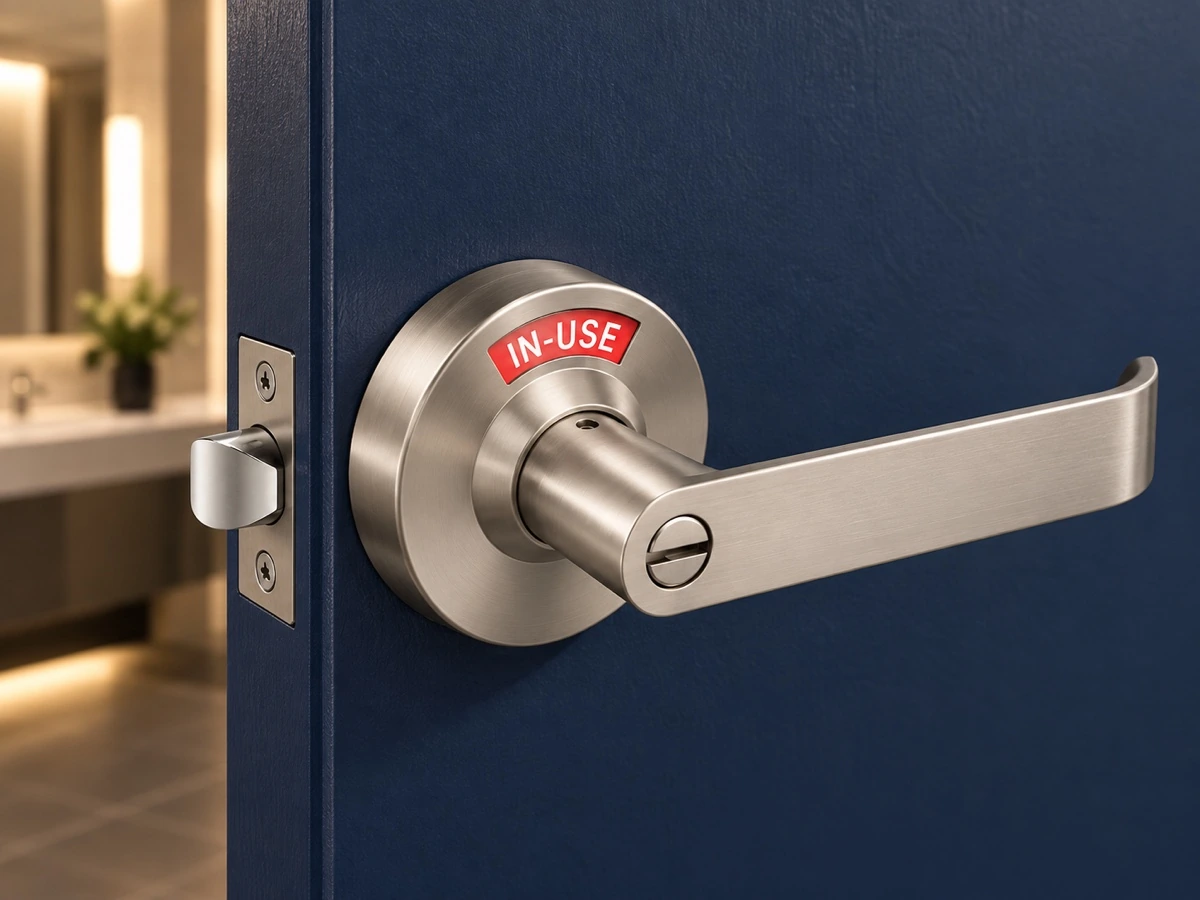
Occupancy Indicators for Shared and Public Restrooms
For single-occupancy restrooms in restaurants, offices and hotel lobbies, an occupancy indicator shows “in use” or “vacant” on the outside trim. It saves staff and guests from trying the handle and is a common request from hospitality and commercial fit-out buyers. When you specify one, confirm the indicator colours and wording (English, Spanish or symbol-only), that the indicator is visible from a normal standing distance, and that the emergency release still works from the corridor side.
Finishes and Durability in Wet Areas
Bathroom doors see humidity, cleaning chemicals and frequent use, so finish choice matters more than on a closet door. Satin nickel and matte black remain the volume finishes for privacy sets, while satin gold is growing in boutique hotels and premium residential projects. For high-humidity or coastal sites, ask the factory about the plating or coating process and salt spray testing targets rather than relying on a colour name alone. See our finish options and our guide to door hardware for coastal projects.
Durability expectations should also match the channel. Residential privacy locks often follow ANSI/BHMA Grade 3 expectations, while busy hotel and office restrooms usually call for Grade 2 class hardware with heavier springs and stronger lever support. Our explainer on ANSI/BHMA grades explains what these grades test.
Planning Privacy Quantities on a Project or Range
On a typical project door schedule, privacy locks account for every bathroom and most bedrooms, so the ratio is often higher than buyers expect. A few planning tips:
- Count by door, not by unit. A two-bedroom apartment may need three or four privacy sets but only one keyed entry set.
- Keep one design family. Ordering privacy, passage and dummy functions of the same design and finish keeps the project consistent and simplifies MOQ planning.
- Add spares. Hospitality buyers commonly order a small percentage of spare privacy sets for maintenance stock.
- Mix functions in one container. Most factories let you combine functions and finishes of the same model toward the MOQ. Our guide to MOQ and container planning shows how to build a first order.
Private-label brands can also customise packaging, inserts and instructions for each function so retail shoppers can tell privacy from passage at a glance. Learn more about our OEM/ODM services.
FAQ
Can a privacy lock be opened from the outside without a key?
Yes, by design. Privacy locks have no key cylinder; instead, a small emergency release on the outside trim lets someone unlock the door with a simple tool or coin in an emergency.
Is a privacy lock suitable for an exterior or entry door?
No. Privacy locks are for interior doors where occupancy privacy, not security, is the goal. Exterior doors need a keyed entry lever or knob, ideally paired with a deadbolt or a combo lockset.
Do privacy and passage locks need the same door prep?
For tubular locks, usually yes. Both commonly use a 54 mm cross bore and 25 mm edge bore with a 60/70 mm adjustable backset, so installers can switch functions without re-drilling.
What is the MOQ for privacy lever locks?
For many of our lever models the MOQ is 500 pieces per model, and you can usually combine functions and finishes. Contact us with your door schedule for a quote.
Talk to Yanfeng About Your Privacy Lock Programme
Zhongshan Yanfeng Lock Industry Co., Ltd. manufactures mechanical lever locks, tubular knob locks, deadbolts, handlesets, combo locksets, sliding door locks, pull handles and hinges for importers, distributors and private-label brands in more than 50 countries. Send us your door schedule or target range and we will recommend matching privacy, passage and entry functions in the finishes you need.
Email [email protected], WhatsApp/Tel +86 156 7475 6738, or call our US line +1 (971) 449-4495. You can also send an enquiry through our contact page.