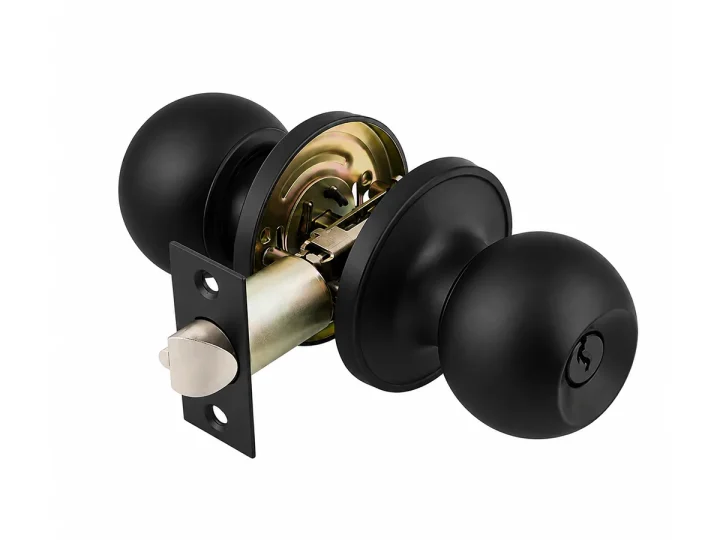
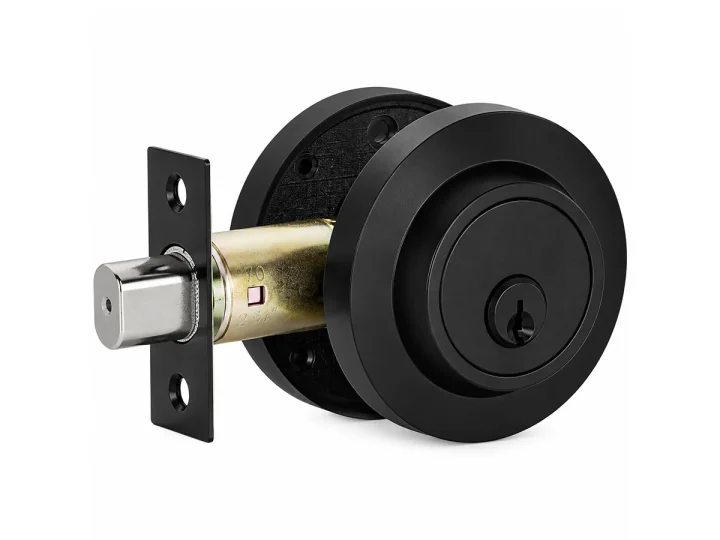
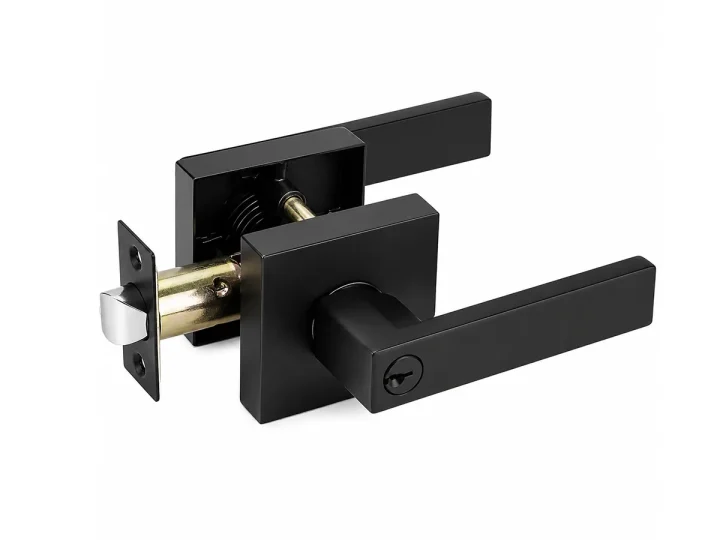
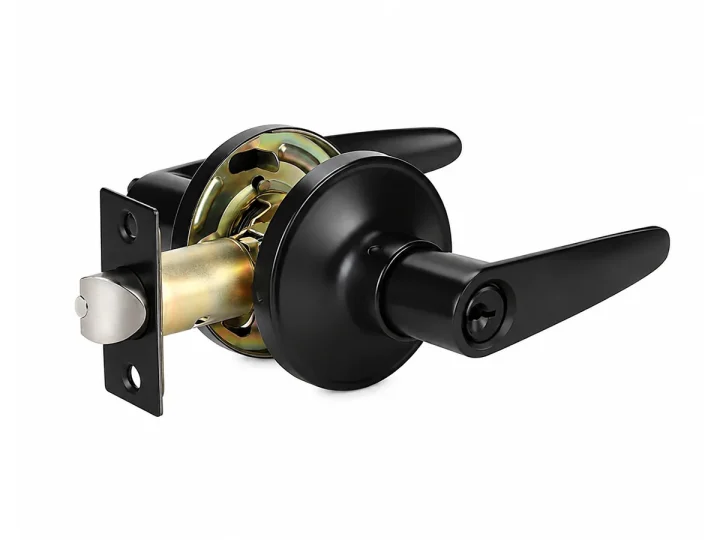
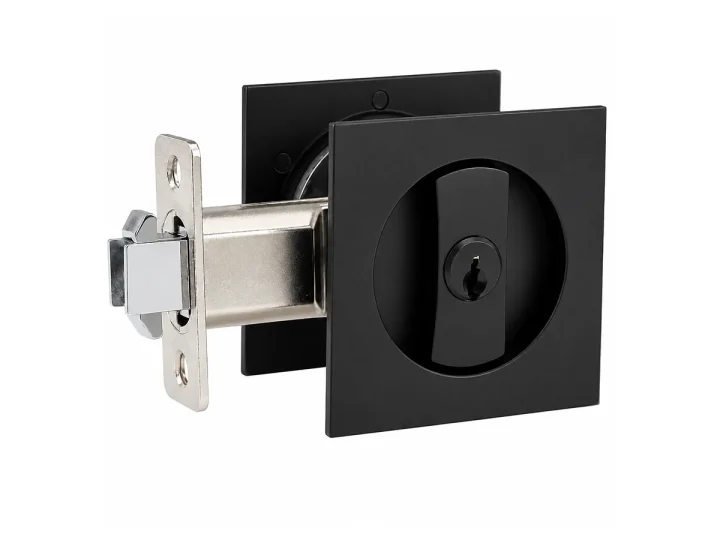
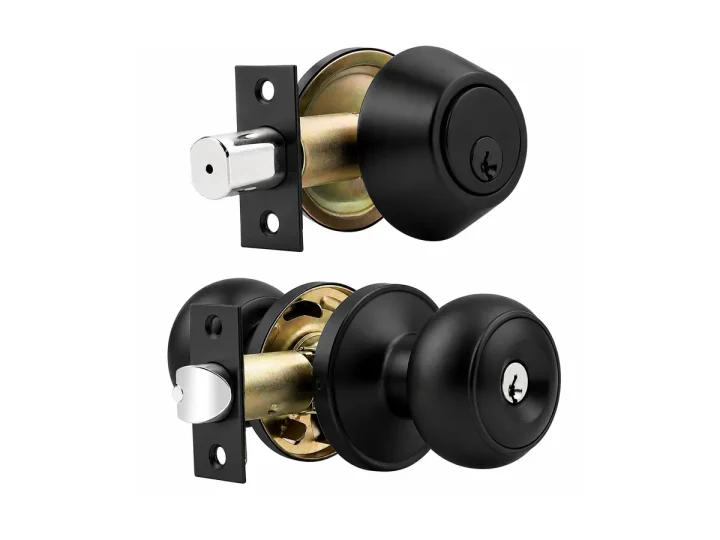
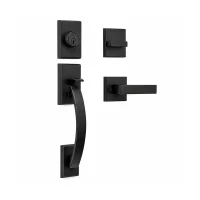
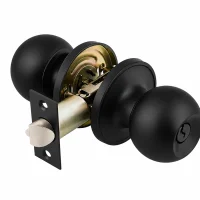
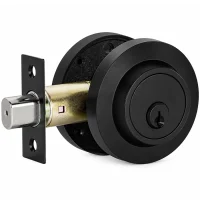
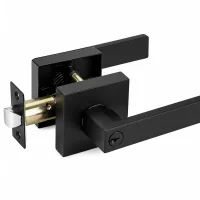
The deadbolt is the lock a homeowner trusts most, and it is also the item where a distributor’s range planning goes wrong most often. Stock the wrong cylinder configuration, the wrong backset, or a bolt that doesn’t suit local doors, and returns follow. This guide walks importers, distributors, contractors and hardware brands through the choices that matter when you build or source a deadbolt line.
Single cylinder vs double cylinder: the core difference
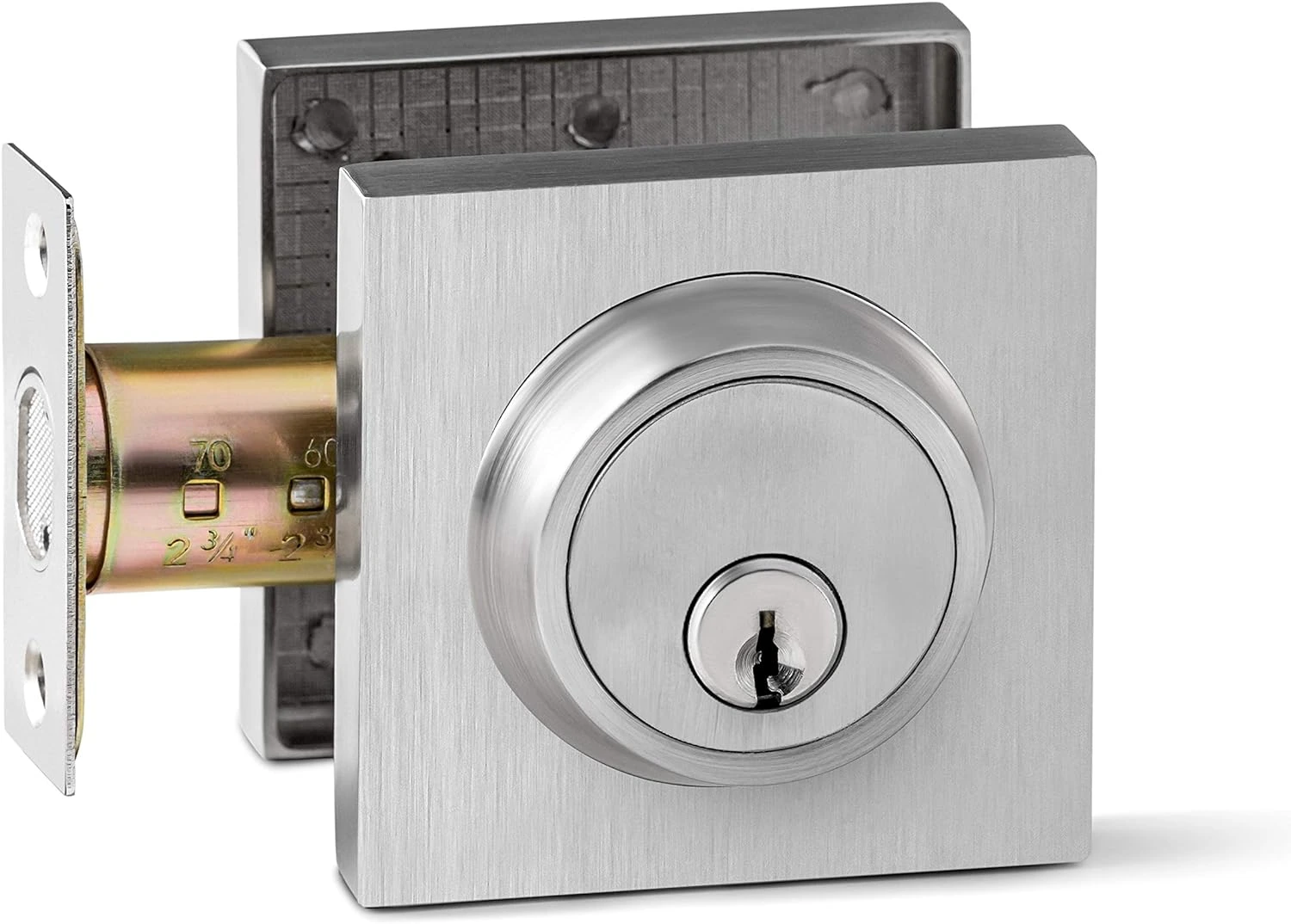
A single cylinder deadbolt has a keyed cylinder on the exterior and a thumbturn on the interior. You lock and unlock from inside without a key. A double cylinder deadbolt has a keyed cylinder on both sides, so a key is needed to operate it from inside as well.
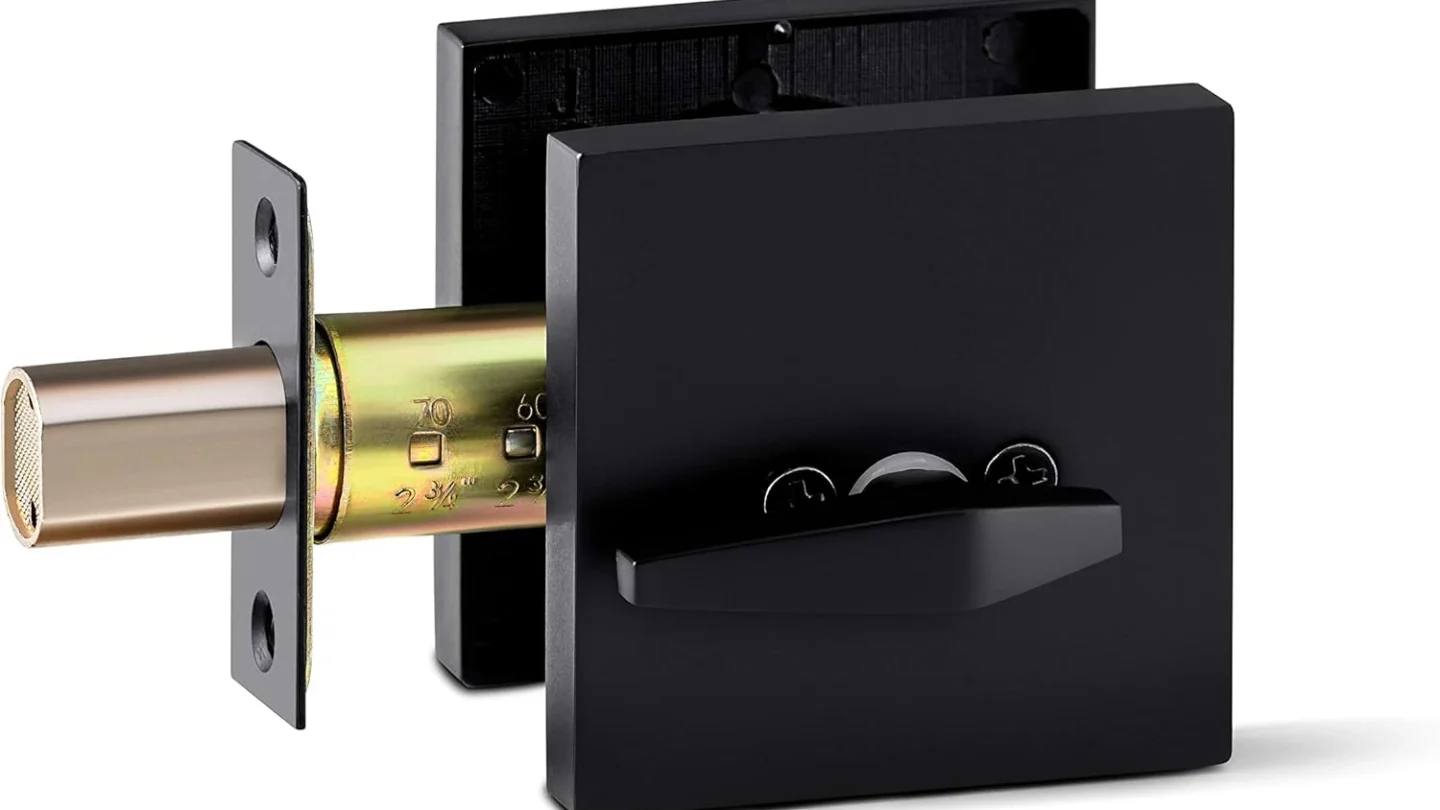
A third option, the one-sided deadbolt (sometimes called a blank-plate or patio deadbolt), has a thumbturn inside and a plain plate outside. It’s common on secondary doors, garage entries and apartment interiors where only inside locking is needed.
When single cylinder makes sense
Single cylinder is the volume seller for residential front doors in North America and most Latin American markets. It’s simple for the end user, it allows fast exit in an emergency, and it matches the expectations of most building codes for doors that serve as a means of egress. For a distributor, this is the configuration to carry in the widest range of finishes.
When double cylinder makes sense
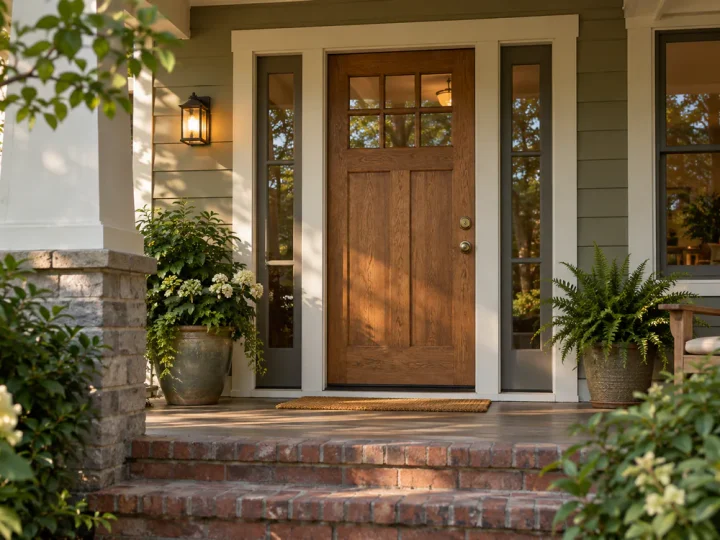
Double cylinder models are chosen for doors with glass panels or sidelights within reach of the lock, where an intruder could break the glass and turn a thumbturn. They are also used on detached outbuildings and some commercial storage doors. The trade-off is life safety: many jurisdictions restrict double cylinder deadbolts on residential exit doors because occupants must be able to leave without searching for a key. Advise your customers to check their local code before specifying them, and keep double cylinder SKUs as a narrower, project-driven range.
Specifications to lock down before ordering
Backset and door thickness
Most North American doors are prepared with a 2-3/8″ (60 mm) or 2-3/4″ (70 mm) backset, and the standard answer is an adjustable latch bolt that covers both. Door thickness typically ranges from 1-3/8″ to 1-3/4″ (35–45 mm). If your market has thicker doors, confirm whether a longer tailpiece or spindle is required. Getting these numbers right at the sample stage avoids container-sized problems later.
Bolt throw and strike
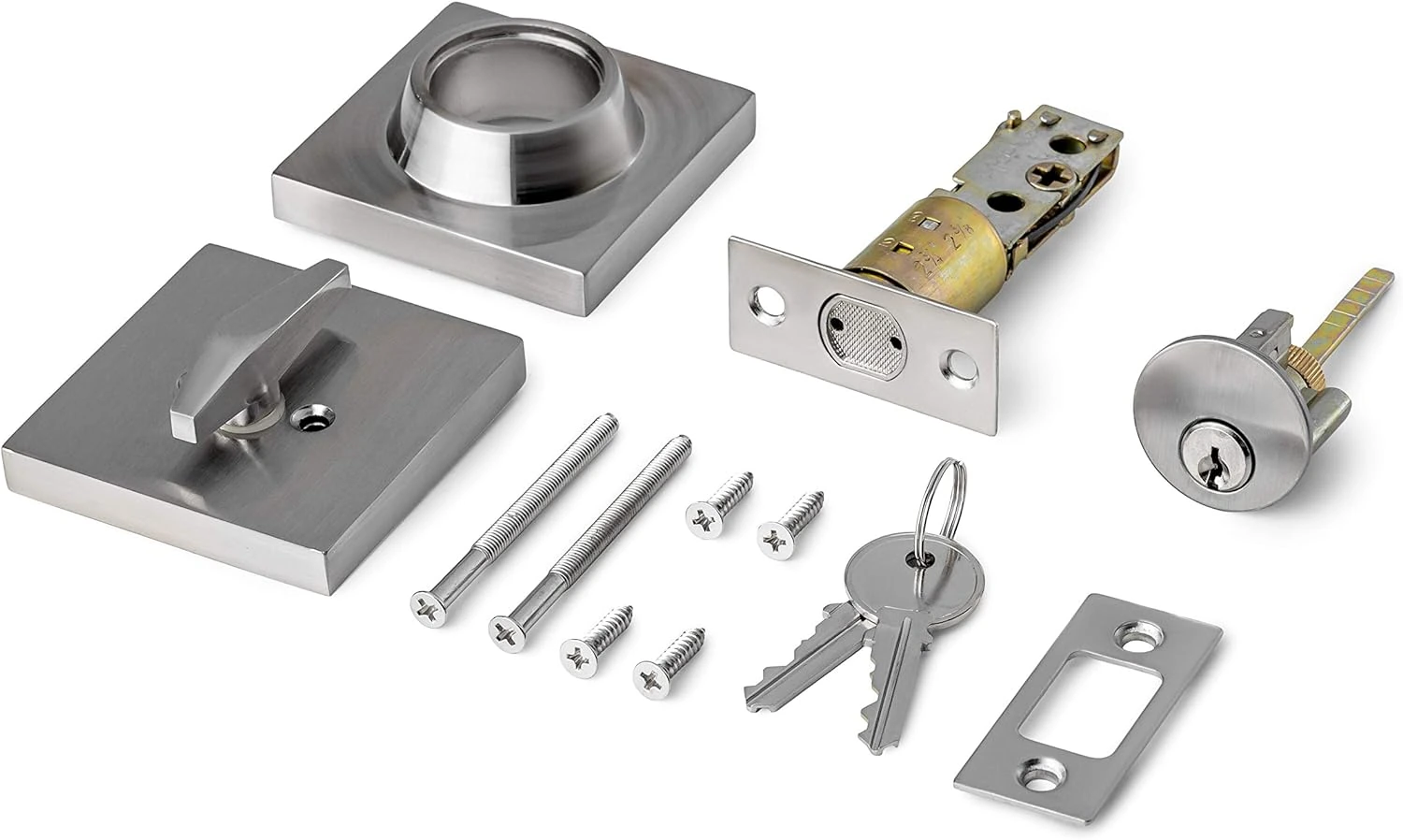
A 1″ (25 mm) bolt throw is the common expectation for a residential deadbolt. Just as important is the strike: a reinforced strike plate with long screws that reach the framing does more for real-world kick-in resistance than almost any other detail. Check what strike, screws and box come in the pack, and whether you want a heavier strike as standard for your brand.
Standards and grades
In the US and Canada, residential deadbolts are commonly tested to ANSI/BHMA A156.40, with Grades 1, 2 and 3 reflecting cycle, strength and security testing. In Europe, EN 12209 covers mechanical locks and EN 1303 covers cylinders. If you need a certified grade on the box, ask the supplier for the test report from a recognised lab and make sure the tested model matches what you are ordering, including the cylinder and finish.
Cylinder and keying
Decide early whether you need SC1 or KW1 keyways for North American compatibility, a European profile cylinder, or a proprietary keyway for your brand. Keyed-alike sets are popular with retailers selling a deadbolt together with an entry knob or lever. For multi-family and hospitality projects, ask whether master keying is possible and how keys are tagged and packed.
Materials and finishes that hold up
Deadbolt housings are typically zinc alloy, with brass or steel used for key internal parts such as the bolt and cylinder. Zinc alloy offers good detail and finish quality at a competitive cost; solid brass is heavier and suits premium lines. The bolt itself should be hardened steel or include a hardened insert to resist sawing.
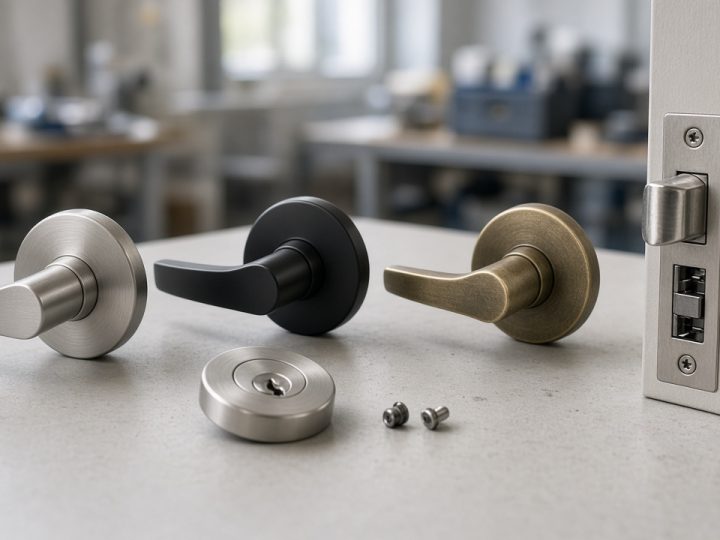
On finishes, matte black, satin nickel and brushed brass remain the strongest sellers, with oil-rubbed bronze steady in traditional styles. Ask for salt spray test results on the finish you intend to buy, particularly for coastal markets in the Caribbean, Florida and Central America, where humidity and salt air are hard on coatings.
Design trends shaping deadbolt ranges
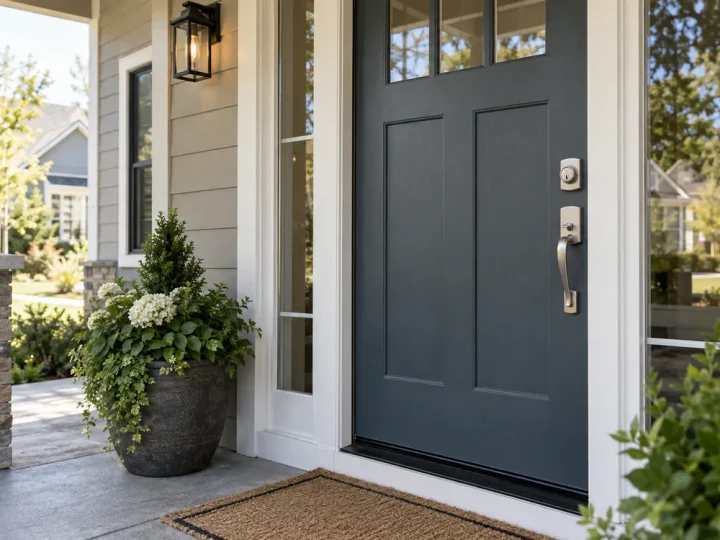
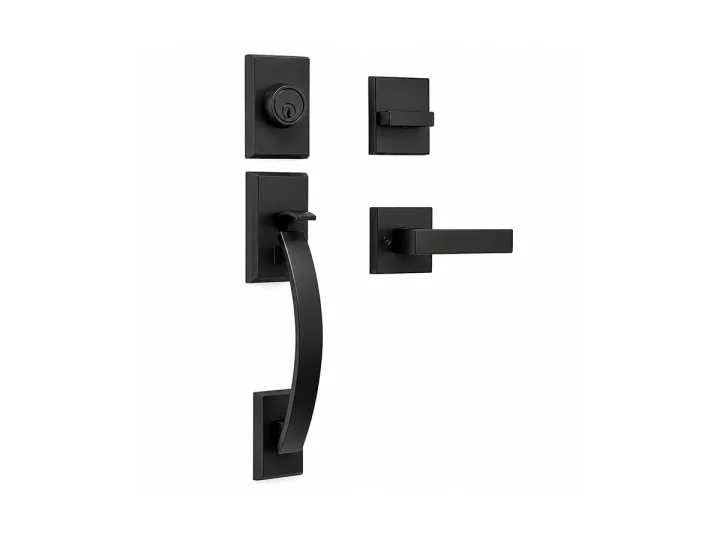
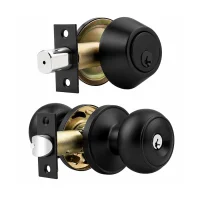
Square roses with clean edges have moved from niche to mainstream, matching modern lever and handleset designs. Round low-profile roses remain the safe choice for broad retail. Buyers increasingly want the deadbolt to match the entry lever or knob exactly in rose shape and finish, so plan your range as coordinated families rather than single items. Combo packs that pair a deadbolt with a matching entry lever or knob, keyed alike, are an efficient way to raise order value at retail.
Working with an OEM/ODM deadbolt manufacturer
If you are building a private-label range, the process usually runs like this:
- Brief: target market, door specs, functions (single, double, one-sided), finishes and packaging.
- Samples: check fit on real local doors, bolt action, key feel and finish quality.
- Customisation: logo on the cylinder face or packaging, custom keyway, coordinated designs.
- Testing and inspection: agree on the test reports you need and how pre-shipment inspection will work.
- Production and shipment: confirm MOQ, lead time and carton marks before deposit.
At Yanfeng, the MOQ is 500 pcs per model and finish, so a distributor can start with a focused range and expand once sell-through is proven.
FAQ
Is a double cylinder deadbolt more secure?
It can be on doors with glass near the lock, because the inside can’t be opened by reaching through. On solid doors the benefit is small, and the egress risk is real. Many codes restrict them on exit doors, so check locally.
What backset should I stock for the US market?
An adjustable latch covering 2-3/8″ and 2-3/4″ handles nearly all residential doors and keeps your SKU count down.
Can a deadbolt be keyed alike with an entry lever?
Yes. Keyed-alike combo sets are standard, and they need to be specified at order stage so the cylinders are pinned together.
Can I put my own brand on the deadbolt?
Yes. OEM orders can carry your logo on the packaging and, depending on the design, on the product itself.
Get a quote for your deadbolt range
Yanfeng Lock manufactures deadbolts, lever and knob locks, handlesets and pocket door locks for importers, distributors and hardware brands, with OEM and ODM support. Send us your target market, door specs and finishes, and we’ll recommend models and arrange samples.
Email: sales@yanfengdoorlock.com
WhatsApp/Tel: +86 156 7475 6738
US: +1 (971) 449-4495
Website: https://yanfengdoorlock.com