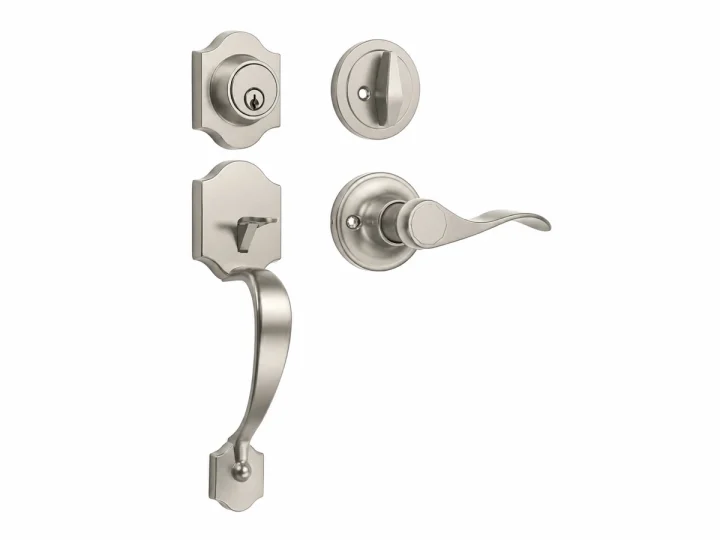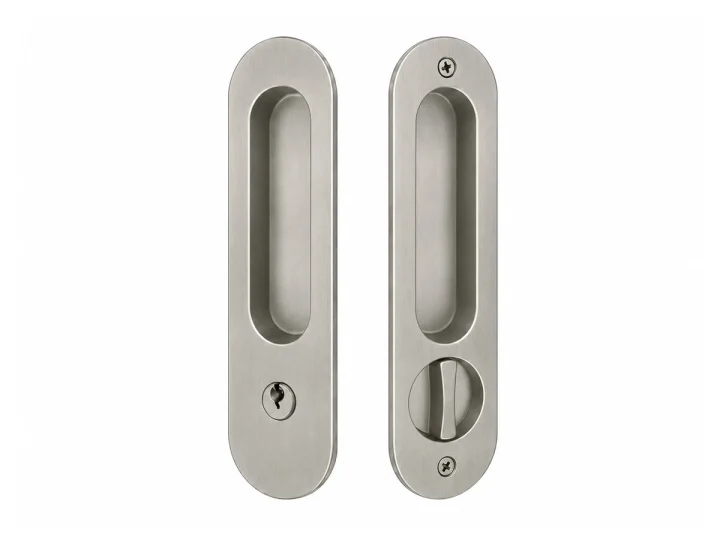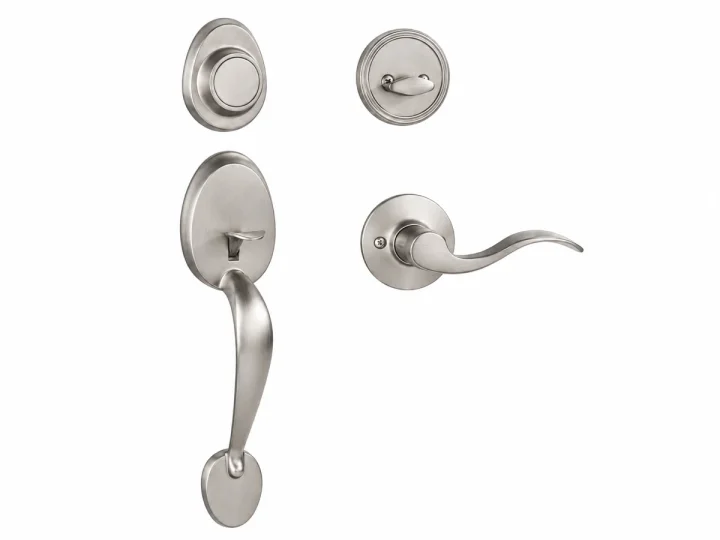
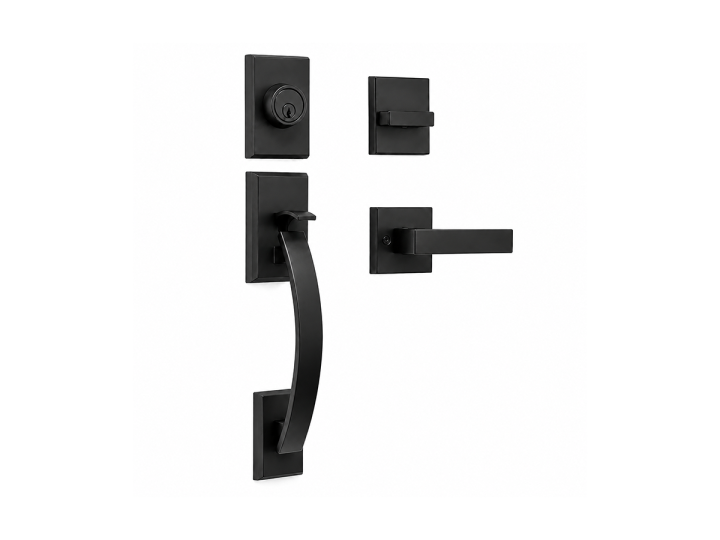
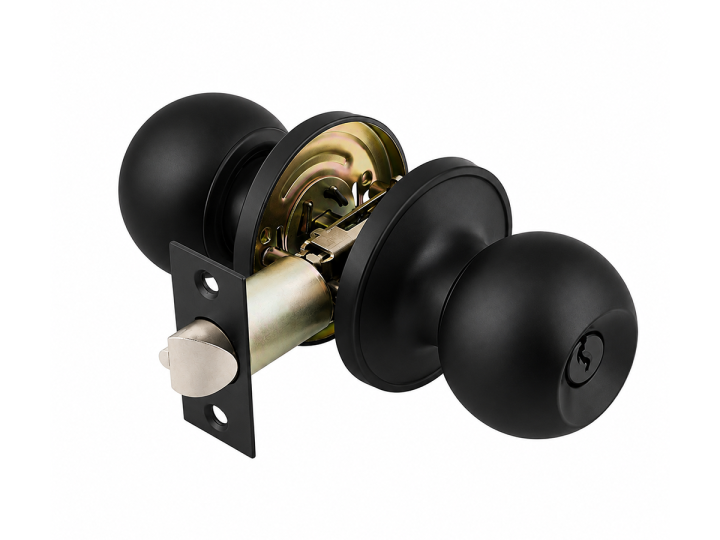
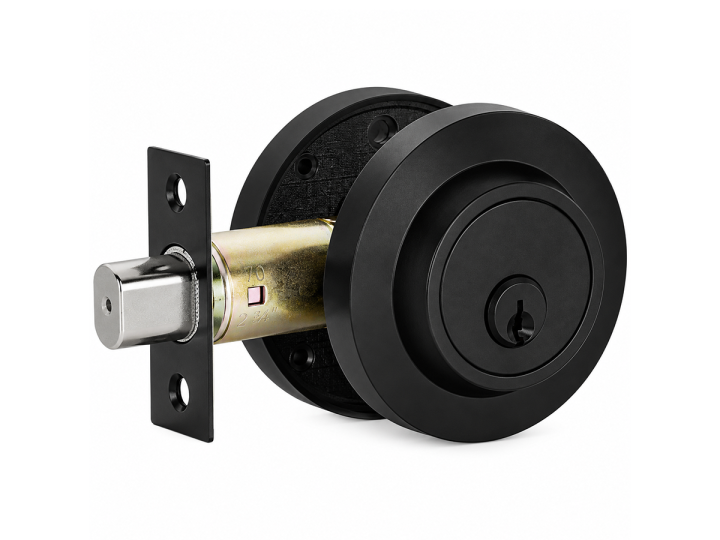
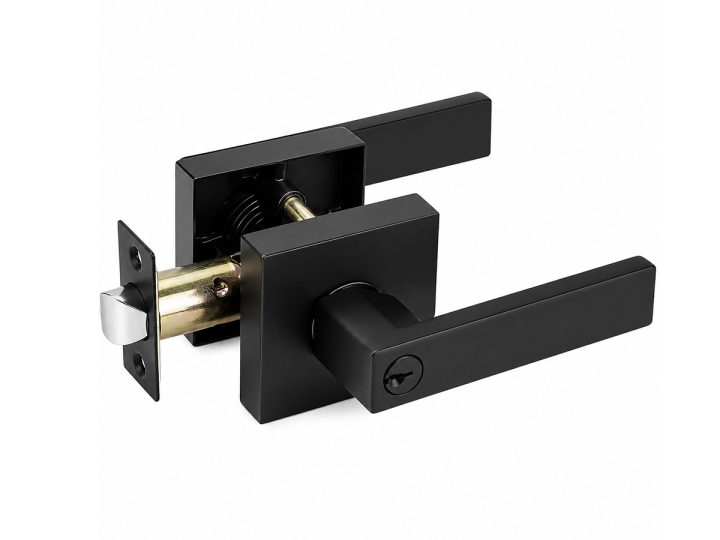
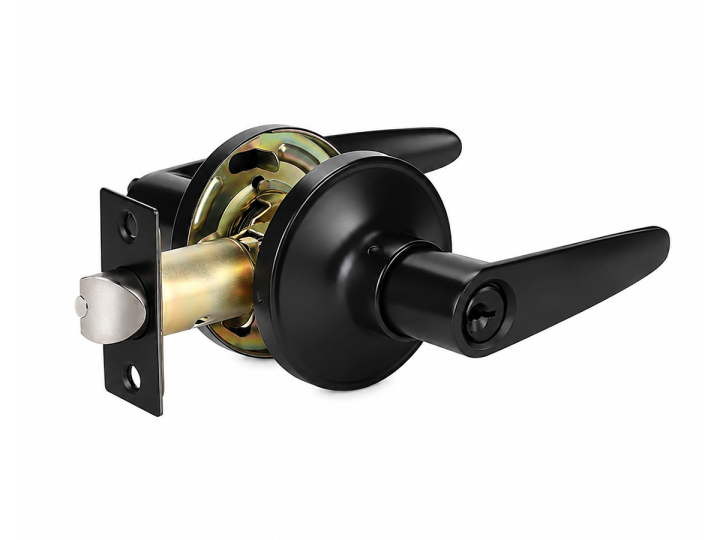
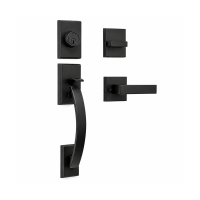
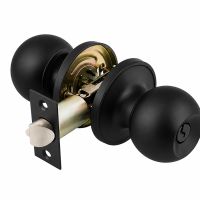
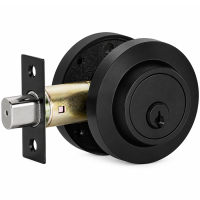
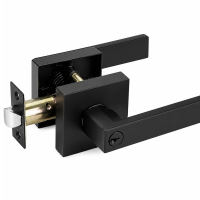
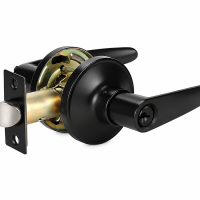
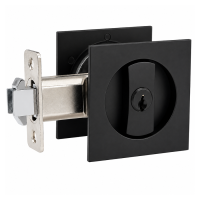
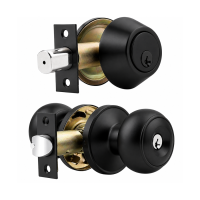
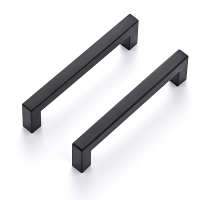
Roughly half of the locks that leave our factory in Zhongshan carry another company’s name on the box. For importers, distributors and retail brands, a private-label door hardware program is one of the fastest ways to build margin and customer loyalty: you own the brand, the packaging and the model numbers, while the factory supplies a proven mechanical platform. This guide explains how a private-label program actually works, what you can customize without tooling, how packaging and keying decisions affect cost, and the checklist we recommend before you approve your first production run.
OEM vs. ODM: choose the right starting point
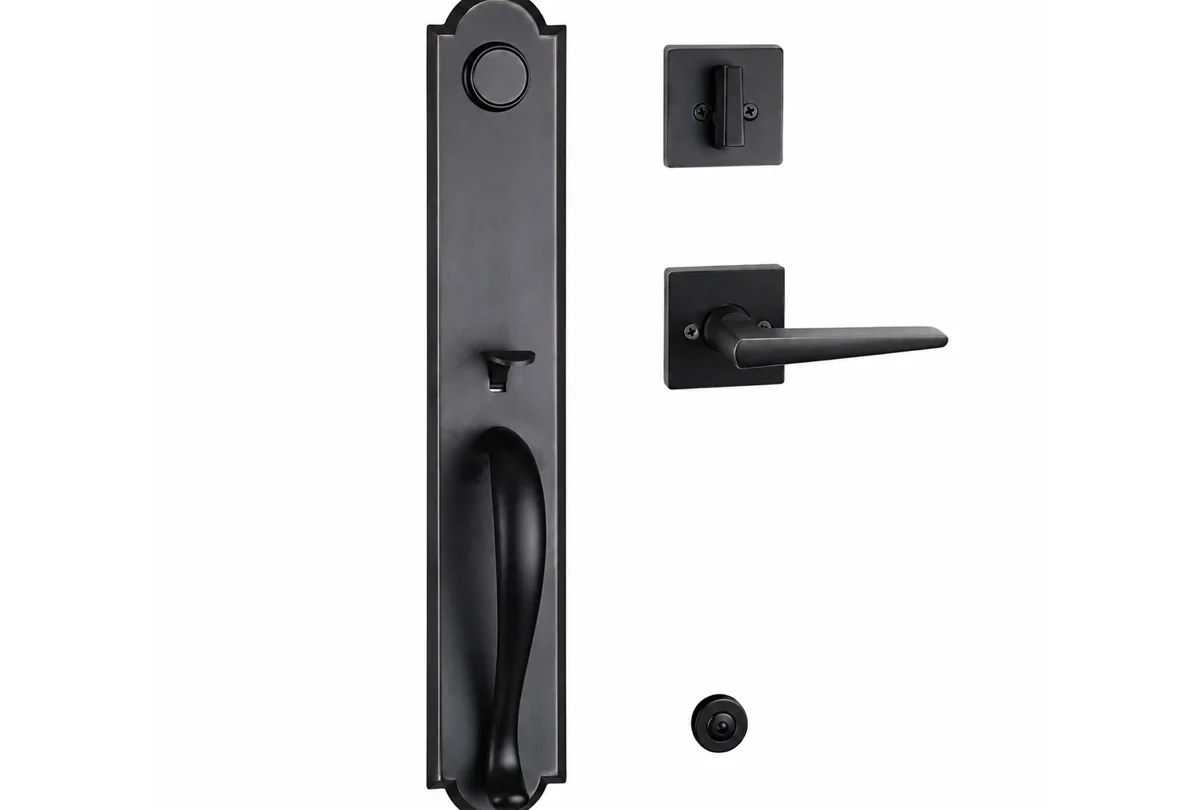
Most private-label programs start as OEM: you take an existing catalogue model, such as one of our entry handlesets, and make it yours through branding, packaging and keying. Because the mechanism does not change, there is no tooling bill and no new sampling risk. Artwork approval to first shipment is typically 30–45 days.
ODM starts when a lever, knob, rose or escutcheon changes shape. That adds a DFM review, a frozen 3D design, steel tooling and T1/T2 samples, usually 45–60 days from frozen design to T1 samples before your own approval cycle. ODM makes sense once a line is selling and you want a design competitors cannot buy. Our OEM & ODM page describes both routes in detail, including NDA and tooling ownership.
What you can customize without new tooling
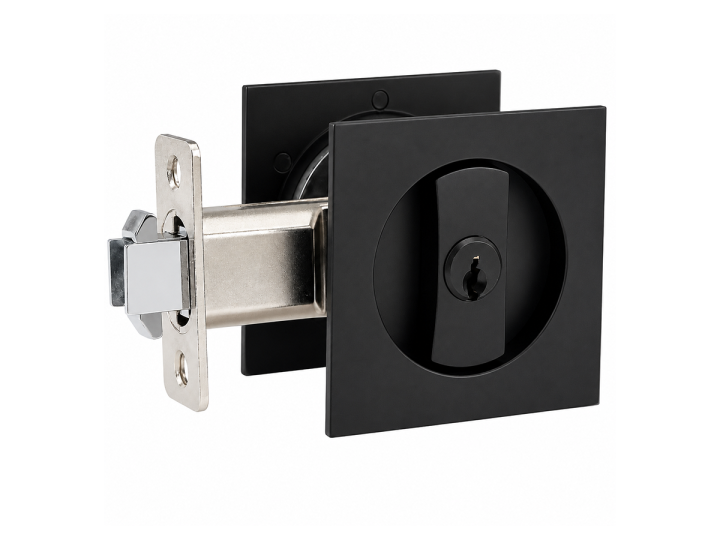
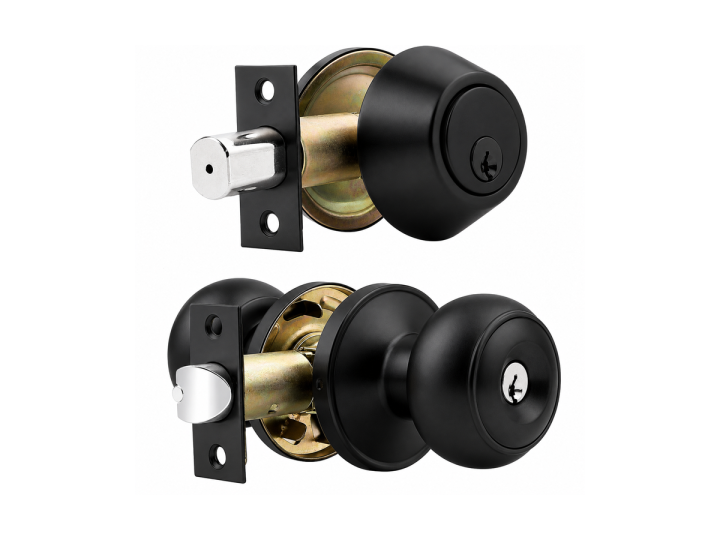
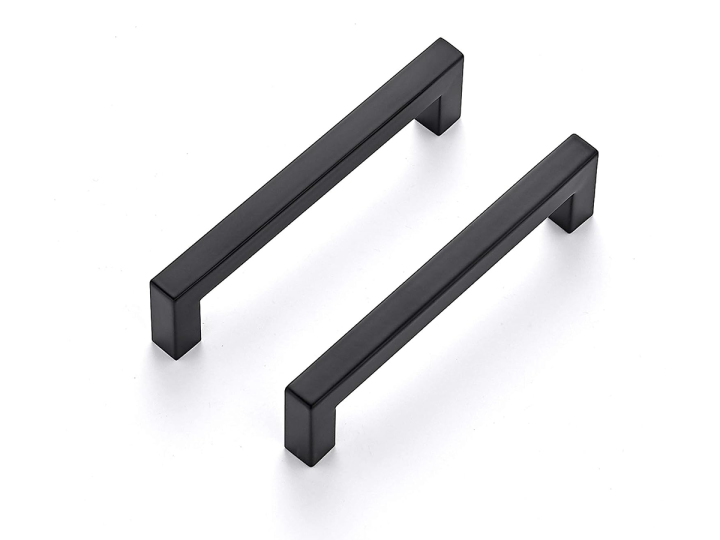
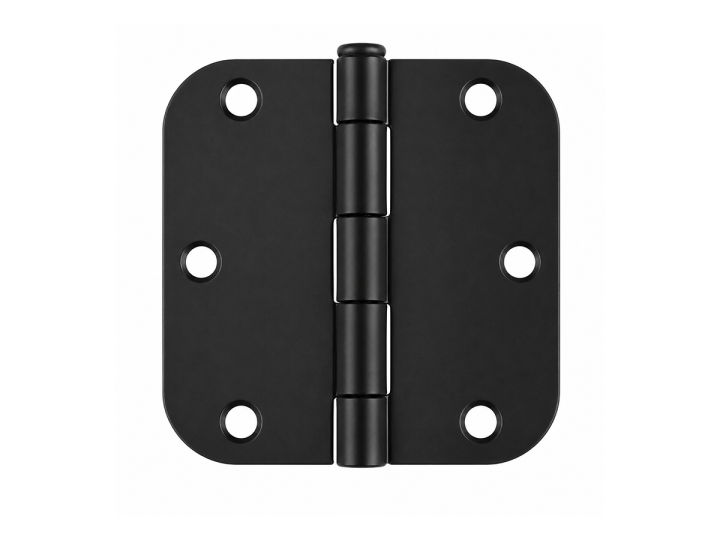
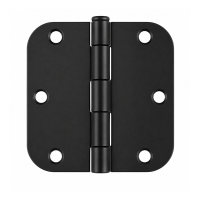
On existing mechanical models (handlesets, tubular knob locks, deadbolts, heavy-duty and light-duty lever locks, combo locksets, pocket door locks, pull handles and hinges) the following options are normally available without a mould:
- Logo marking: laser-marked or stamped logo on the rose, lever, latch faceplate or strike.
- Packaging: printed colour box, blister/clamshell, or brown carton with a label, made to your artwork.
- Instructions and templates: installation sheet and paper drilling template in your language.
- Model numbering: your SKUs printed on cartons, labels and packing lists.
- Retail compliance: EAN/UPC barcodes, country-of-origin marking and hang tabs.
- Keying: a private keyway and key bow profile, plus keyed-alike or master-keyed sets.
- Finish range: the finishes you stock under your own colour names.
Build a finish program that sells through
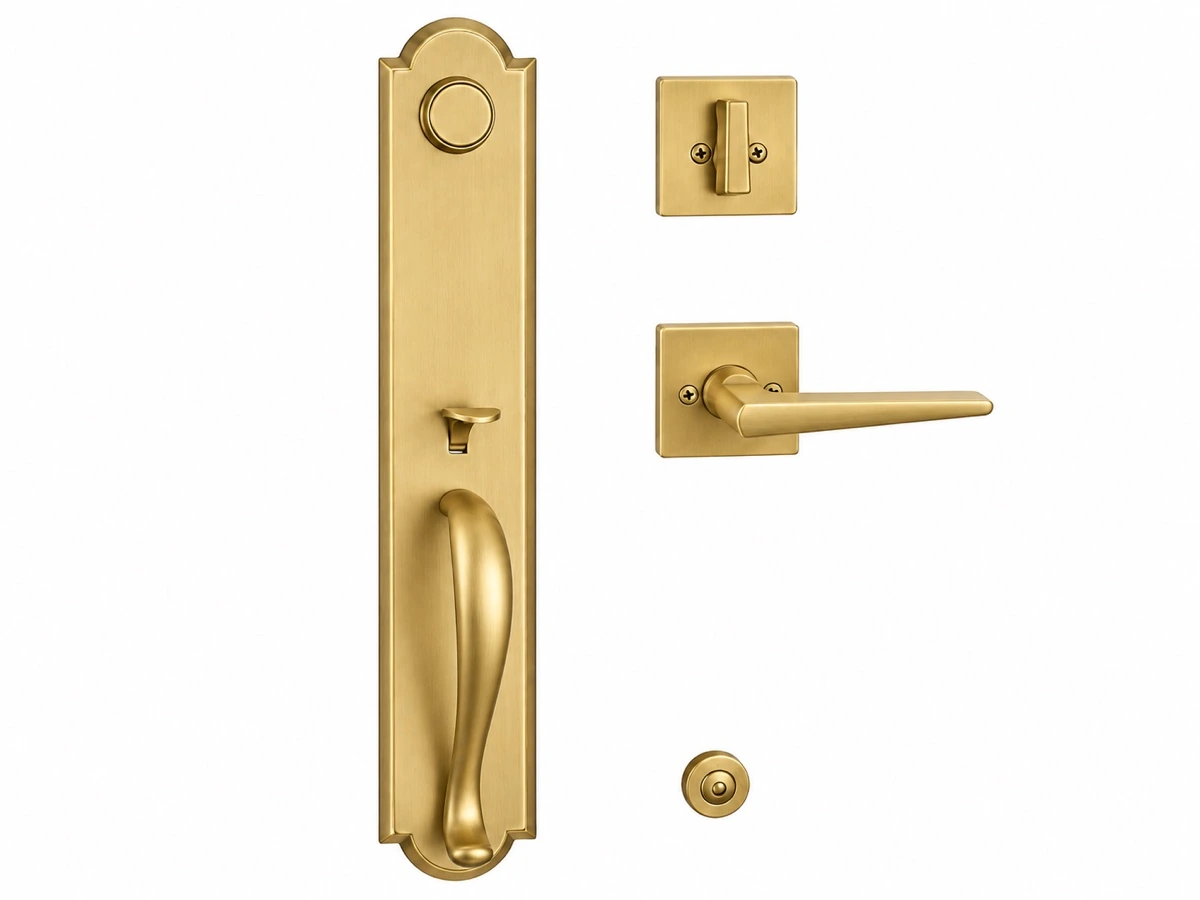
The most common private-label mistake is launching too many finishes at once. Every finish is a separate SKU, a separate MOQ and a separate inventory position. We usually recommend that distributors launch a new line in two or three core finishes and add more only when sell-through data supports it.
A practical starter range
- Matte black (MB): currently the strongest seller for modern entry and interior doors in North America.
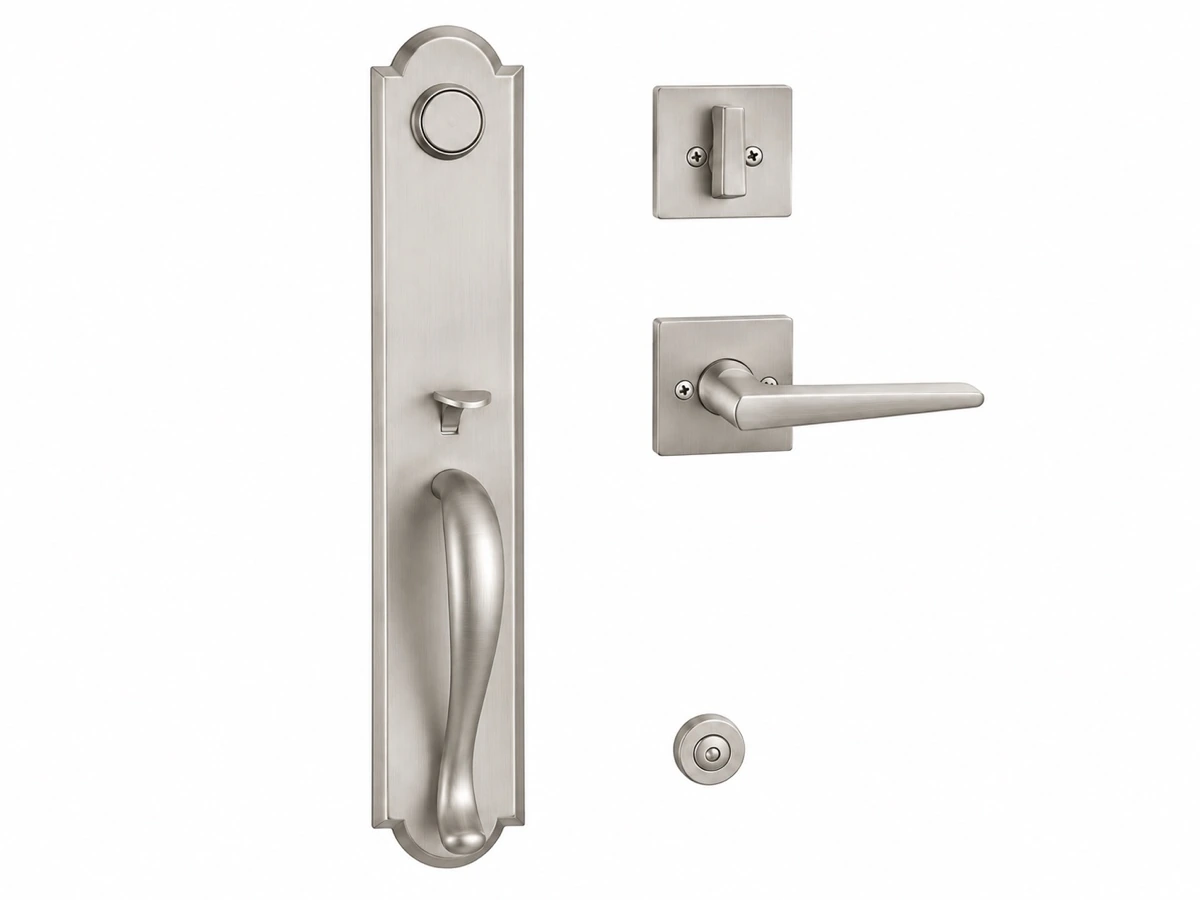
- Satin nickel (SN): the safe, high-volume finish for builders and property managers.
- A warm accent: oil-rubbed bronze, antique brass or a satin gold tone for traditional or premium ranges.
Keep the finish family consistent across the whole door: handleset, interior levers or knobs, deadbolts and hinges should come from the same plating process so colours match side by side. Our finish chart lists the available codes per model, and the guide to electroplating, PVD and powder coat explains how durability differs.
Packaging: decide it early
Packaging drives more of your landed cost and lead time than most buyers expect. Settle these points before you request a quote:
| Packaging type | Best for | Notes |
|---|---|---|
| Brown carton + label | Contractor and project supply | Lowest cost; fastest to approve; ideal for testing a style. |
| Printed colour box | Retail shelves and e-commerce | Needs final artwork, dielines and barcode files; allow time for proofs. |
| Blister/clamshell | Hardware store pegboards | Shows the product; check hang-tab strength and fit. |
Many distributors begin with factory packaging to validate demand, then move to branded colour boxes once the SKU proves itself. Also confirm the inner pack and master carton quantity, carton marks and pallet pattern, because these determine how many units fit in a 20GP or 40HQ container. Our article on MOQ, tooling and container economics shows how to plan a mixed first order.
Keying and door prep for branded lines
A private keyway protects your brand: replacement keys and cylinders must come back through your channel. For project customers, plan keyed-alike and master-key systems at order stage, since key codes are set during assembly. On the mechanical side, keep the standard door prep (2-1/8″ bore, 2-3/8″ or 2-3/4″ adjustable backset, 1-3/8″ to 1-3/4″ door thickness) so your branded hardware fits doors already on the market without extra preparation.
Private-label launch checklist
- Define the range: models, functions (entry, passage, privacy, dummy, single or double cylinder) and two or three finishes.
- Confirm MOQ per model and finish: for example, YF909 handlesets start at 100 pieces per model and finish; many lever models start at 500.
- Send artwork: logo vector files, box dielines, barcodes and instruction text.
- Approve samples: check finish, logo position, packaging print and key operation on your own doors.
- Lock the spec sheet: finish code, keying, carton marks and labels in writing.
- Inspect before shipment: check function, finish, packaging and carton count. The ordering guide covers samples, deposits and inspection.
Production lead time is 30 to 45 days after sample approval for catalogue models. Educationally, buyers should know which standards their market references, such as the ANSI/BHMA A156 series in North America or EN standards in Europe, and ask the supplier for the relevant test reports for the exact model being branded.
FAQ
Can I put my logo on the lock itself, not just the box?
Yes. Logos can be laser-marked or stamped on the rose, lever or latch faceplate. Send a vector file and we will propose a position and size for sample approval.
Do I need a mould to start a private-label line?
No. OEM programs use existing catalogue models, so there is no tooling cost. Moulds are only needed when you change the shape of a lever, knob, rose or plate.
Can I mix models and finishes in one container?
Yes. Each model and finish must meet its own MOQ, but different products, such as handlesets, deadbolts, levers and hinges, can ship together in one container.
Is my design protected?
We sign an NDA before you send files. ODM tooling is stored separately and is never run for another account.
Start your private-label program
Send us your target market, preferred models, finishes, packaging style and estimated annual volume. An engineer will reply within one business day with recommendations and a sample plan.
- Email: [email protected]
- WhatsApp / Tel: +86 156 7475 6738
- US: +1 (971) 449-4495
You can also browse the 2026 product catalogue, view the YF909 handleset, or use our contact page to request samples.